
Light Requirements
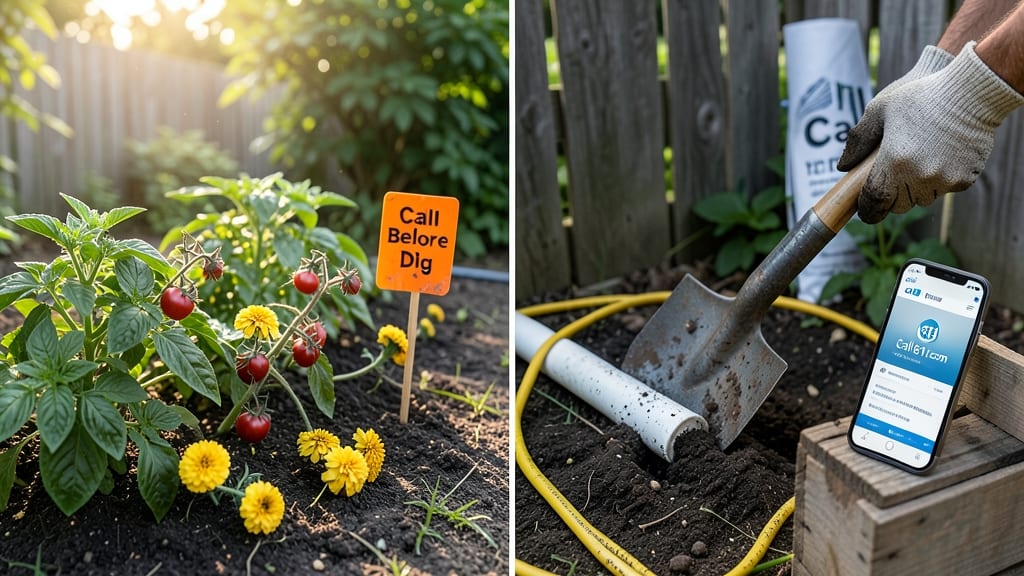
Do I need to call 811 for a garden? Yes—before digging in your garden, you must call 811 to locate underground utility lines, as this free service marks them to prevent dangerous accidents, injuries, or costly service disruptions.
This simple step prevents hitting buried power, water, gas, or communication lines that could cause explosions, electrocutions, or water main breaks. 🔥 The process is quick—just dial 811 from anywhere in the U.S. at least 48 hours before digging, and utility companies will send crews to mark the lines for free.
Even small projects like installing a mailbox or planting shrubs near property edges can trigger the requirement, so never assume shallow work is safe.
What many gardeners don't realize is that utility lines can run deeper than expected—sometimes up to 4 feet below ground—especially in older neighborhoods. The 811 system covers 90% of utility companies nationwide, including private lines like irrigation systems or septic tanks.
If you're unsure about your project's depth, it's always better to call than risk costly repairs or legal consequences.
💡 In This Article
- What 811 Does When You Call for Garden Digging
- When and How to Safely Dig Without Utility Risks
What 811 does when you call for garden digging
When you dial 811, you're connecting with a centralized system that coordinates with over 2,000 utility companies nationwide. Within 2-3 business days, trained technicians from power, water, gas, and telecom providers will visit your site to mark underground lines with bright spray-painted flags or colored stakes.
These markers indicate the precise location of pipes and cables—some as shallow as 6 inches below ground, others buried up to 4 feet deep. The markings use standardized colors: red for electric, yellow for gas, blue for water, and orange for communication lines.
The process works because utility companies maintain detailed records of line placements, but ground conditions can shift over time due to erosion or construction. 🔥 For example, a gas line might have been installed at 3 feet depth 20 years ago, but soil settling could now bury it at 2.5 feet.
Without marking, a shovel or auger could easily puncture it, releasing natural gas that's 30% heavier than air and prone to pooling in basements. The 811 system accounts for these uncertainties by sending multiple crews to verify line locations before you dig.
What happens if you skip this step? The consequences can be severe—both legally and financially. Damaging a gas line could trigger an explosion, while hitting an electrical cable risks 7,200 volts of current passing through your body.
Legally, you could face fines up to $1,000 per incident in some states, plus liability for repair costs that average $5,000-$20,000 per damaged line. Even "minor" incidents like cutting a water main can flood streets, disrupting traffic and requiring emergency response teams.
Here's what most people overlook: the 811 system isn't just about avoiding disasters—it's also about protecting your property. For instance, if your digging accidentally damages a neighbor's private irrigation line (not covered by municipal utilities), you could still be held liable for repairs.
The marking process ensures you know exactly where all underground infrastructure lies, including those private lines that might not be in public records. This is why even small projects like installing a 6-inch-deep mailbox post near property lines should trigger a call to 811.
After marking, utility companies provide a one-call ticket number that you must keep for your records. This serves as proof you followed safety protocols if questions arise later. Some states even require you to display the ticket number on your property for a set period.
The entire process costs nothing—your only responsibility is the 48-hour notice period before digging begins. This window allows technicians time to respond, even if you're working on a weekend or holiday.
For gardeners working in urban areas, the stakes are even higher. Cities often have denser utility networks due to aging infrastructure, with lines sometimes running in unexpected patterns.
For example, a 12-inch-deep trench for a new garden bed might intersect a 1-inch-diameter water pipe installed decades ago—something only visible through professional marking. The 811 system exists precisely to reveal these hidden dangers before they become emergencies. 💫