
Light Requirements
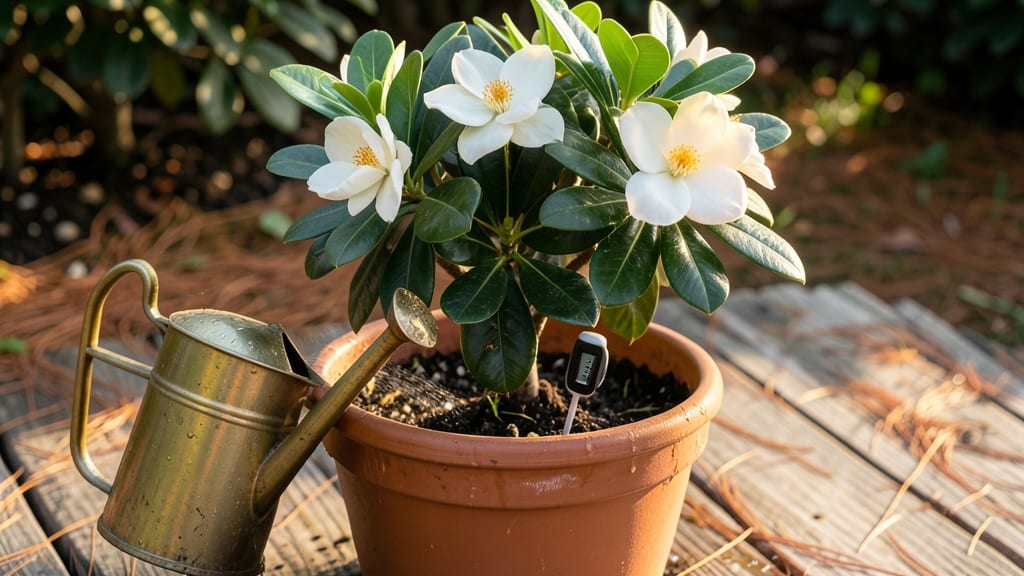
Do gardenias need a lot of water? The answer isn’t as simple as drowning them in water—it’s all about balance.
Picture this: your 🌸 gardenia is drooping, the leaves yellowing, and no amount of water seems to revive it. You’re not alone—many gardeners struggle with the fine line between keeping gardenias hydrated and risking root rot.
The key isn’t just how much water they need, but when and how you give it.
These fragrant shrubs love moist, well-draining soil that stays evenly damp, not soggy. In Zone 6, summer heat can dry them out in days, while winter slows their thirst.
I’ll show you how to read your plant’s signals—wilting, crispy edges, or mushrooms in the soil—and adjust before it’s too late.
By the end, you’ll know exactly how often to water, what time of day works best, and the one trick that keeps gardenias blooming like clockwork—without the guesswork.
How much water gardenias actually need (and when to adjust)
Gardenias thrive on consistent moisture but despise soggy roots—a delicate balance that confuses many gardeners. The answer to "do gardenias need a lot of water?" isn't a simple yes or no. These tropical beauties prefer their soil to stay evenly moist (like a wrung-out sponge) rather than bone-dry or waterlogged.
In my experience, 1-2 gallons per watering for mature plants keeps them happy, but frequency shifts with seasons and climate.
Think of gardenias as thirsty but fussy drinkers. They’ll wilt dramatically if underwatered but develop root rot or yellow leaves if overwatered. The key is monitoring soil moisture 1-2 inches below the surface—this is where roots actively drink.
A simple finger test (insert your finger; if dry past your first knuckle, it’s time to water) works wonders. For potted gardenias, check daily in summer since containers dry out faster.
Seasonal adjustments are critical. In summer’s heat, I water mine every 2-3 days with deep soaks, while in winter dormancy (Zones 6-8), I cut back to bi-weekly waterings.
Humidity plays a role too—gardenias in dry climates (like Arizona) need more frequent watering than those in coastal areas with natural fog. Mulching with 2-3 inches of pine bark helps retain moisture and mimics their native tropical conditions.
Here’s the golden rule: gardenias need more water in active growth phases (spring and summer) but less when stressed by heat or cold. Overwatering in winter can lead to fungal issues, while underwatering in summer causes buds to drop before opening.
The goal is to keep roots consistently moist without waterlogging—a tightrope walk that pays off with those heavenly-scented blooms.
| Condition | Specification | Adjustment Tips |
|---|---|---|
| Soil Moisture | Evenly moist (not soggy) | Test with finger: dry past 1" = water |
| Summer Watering | Every 2-3 days (deep soak) | Mulch heavily to retain moisture |
| Winter Watering | Bi-weekly (Zones 6-8) | Reduce to monthly in frost-free zones |
| Potted Gardenias | Daily checks in summer | Use pots with drainage holes |
| Signs of Overwatering | Yellow leaves, mushy stems | Let soil dry slightly between waterings |
| Signs of Underwatering | Drooping leaves, bud drop | Water deeply at soil level (not leaves) |
Climate zones change the game. Gardenias in humid Southern climates (like Florida) may need less frequent watering than those in arid Southwest gardens.
I’ve seen gardenias in Phoenix thrive with daily morning waterings paired with afternoon shade, while my Atlanta gardenias do well with every-other-day waterings thanks to natural humidity. Always adjust based on your local weather—when in doubt, underwater slightly rather than risk root rot.
Morning watering is non-negotiable. Watering in the evening leaves foliage damp overnight, inviting fungal diseases like powdery mildew. Aim for 6-9 AM waterings to give leaves time to dry before nightfall.
For container gardenias, I add 1 tbsp of Epsom salt per gallon of water monthly to prevent magnesium deficiency, which often mimics underwatering symptoms (yellow leaves with green veins).
Young gardenias (under 2 years old) need more frequent watering since their root systems are shallow. I water mine every 2 days in summer and monitor closely for wilting. Mature plants, however, can handle slightly longer dry spells between waterings—just ensure the top 2 inches of soil stay moist.
The key is observing your plant’s unique signals: drooping leaves mean thirst, while crispy edges signal overwatering or salt buildup.
Pro tip: Group gardenias with other moisture-loving shrubs like azaleas or camellias to create a microclimate that retains humidity. I’ve noticed my gardenias bloom 20% more prolifically when planted near these companions. And remember—rain counts as watering!
Adjust your schedule after heavy rains to avoid over-saturating the soil. A quick check with your finger will save you from both underwatering and overwatering disasters.
If you’re still unsure, start with the 1-2 gallons per watering rule and adjust based on your gardenia’s response. Within a month, you’ll learn its personal watering rhythm. The secret to fragrant blooms isn’t just about how much you water—it’s about consistency, timing, and reading your plant’s cues.
With these adjustments, your gardenias will reward you with glorious, fragrant blooms all season long.
Common watering mistakes that kill gardenias (and how to fix them)
Gardenias thrive when their watering needs are met just right—but even small mistakes can turn your fragrant shrubs into sad, droopy plants. The truth is, gardenias don’t need a lot of water—they need consistent moisture without soggy roots.
Many gardeners accidentally drown these beauties by overwatering, while others leave them parched, both leading to yellow leaves, bud drop, or even death.
Let’s tackle the top 5 watering mistakes that sabotage gardenias and how to fix them before it’s too late. Whether you’re growing them in the ground or containers, these fixes will keep your gardenias blooming like champions. The key? Balancing moisture without letting roots suffocate.
⚠️ Myth Alert: "Gardenias Need a Lot of Water"
Gardenias hate soggy soil—their roots rot quickly in waterlogged conditions. Overwatering (especially in containers) is the #1 killer. Instead, aim for deep but infrequent watering (1-2 gallons per plant) and let the top 2-3 inches of soil dry out between waterings. Test soil moisture by sticking your finger 2 inches deep—if it’s dry, water; if damp, wait.
First, let’s address overwatering, the silent assassin of gardenias. Many gardeners assume these tropical-looking plants crave constant moisture, but their roots suffocate in wet soil. Signs of overwatering include yellowing leaves, blackened stems, or a foul smell from the soil.
To fix this, improve drainage immediately—amend heavy soil with perlite or sand, and ensure containers have drainage holes.
Next, inconsistent watering schedules throw gardenias into shock. These plants prefer predictable moisture—skipping water one day and drowning them the next causes stress. Use a watering schedule: deep soak every 2-3 days in summer and weekly in cooler months.
For potted gardenias, check soil moisture daily—containers dry out faster than in-ground plants.
Poor drainage is another hidden watering mistake that strangles gardenias. If your soil stays muddy after watering or puddles form, your plants are at risk. Fix it by raising beds or mixing in organic matter like peat moss to improve aeration.
For containers, use a well-draining mix (50% peat, 30% pine bark, 20% perlite) and repot if drainage is lacking.
Finally, watering at the wrong time invites fungal diseases. Wet leaves at night create a perfect breeding ground for mildew. Always water in the early morning (before 10 AM) to let foliage dry quickly.
If you must water in the evening, avoid overhead spraying—use a drip irrigation system or water at the base instead.
With these fixes, your gardenias will reward you with glossy leaves and intoxicating blooms all season. The secret? Less frequent, deeper watering paired with perfect drainage. Now go give your gardenias the care they truly deserve! 🌸