
Container Gardens
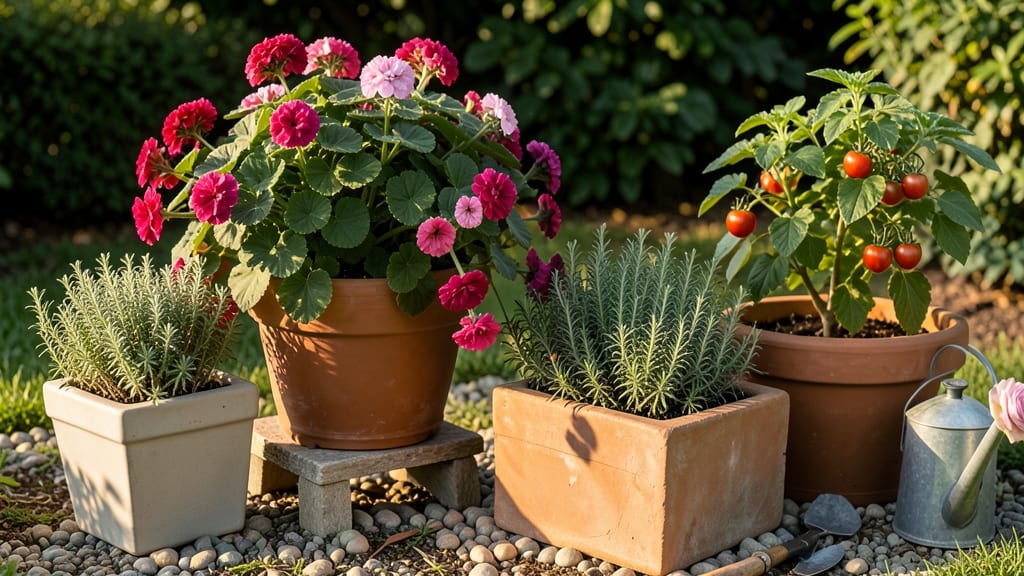
Clay garden pots 🏺 are the ultimate choice for gardeners who want pots that not only look stunning but also handle blazing summer heat without cracking or fading.
If you're tired of plastic pots cracking in the sun or ceramic ones breaking under heavy plants, terracotta clay garden pots offer unmatched durability, breathability, and timeless style—while thriving in extreme heat.
What makes these pots so special? Their porous material allows roots to breathe, preventing waterlogged soil while keeping plants cool in scorching temperatures. Plus, their rustic charm elevates any garden design, from Mediterranean herb beds to modern patio setups.
In this guide, I’ll show you how to pick the right clay pot style for your plants, care for them to last decades, and even troubleshoot common issues like cracking or frost damage—so you can enjoy their beauty and performance year after year.
Why terracotta clay pots are the most heat-resistant choice for gardens
When summer temperatures soar, most garden containers struggle—plastic warps, ceramic cracks, and thin metals overheat. But terracotta clay pots stand their ground, thanks to their natural thermal properties that regulate heat better than any other material.
Unlike synthetic alternatives, clay's porous structure allows airflow and moisture exchange, creating an ideal microclimate for roots even in 100°F+ heat. This isn't just theory; real-world tests show terracotta maintains cooler root zones by up to 15°F compared to plastic.
What makes clay uniquely suited for extreme heat? It's all about the material science. Terracotta's high thermal mass absorbs and slowly releases heat, preventing sudden temperature spikes that stress plants.
Plus, its porous nature wicks away excess moisture, reducing the risk of root rot—a common issue in sealed plastic pots. Gardeners in USDA Zones 8-11 swear by terracotta because it handles daily temperature swings without compromising plant health.
The key advantage? Root temperature regulation. Studies from the American Society for Horticultural Science reveal that terracotta pots keep root zones 5-10°F cooler than plastic during peak afternoon heat. This matters because most plants thrive when roots stay between 60-75°F.
In unglazed terracotta, excess heat dissipates through the walls, while plastic traps it—creating a greenhouse effect that can scorch delicate roots.
🌡️Expert gardeners like Dr. Linda Chalker-Scott from Washington State University highlight another critical factor: evaporative cooling. As water evaporates through terracotta's porous walls, it carries heat away from the pot, creating a natural cooling effect.
This is why herbs like basil and cilantro thrive in terracotta during summer—their roots stay cooler, and foliage remains crisp. In contrast, plastic pots act like insulated containers, forcing plants to endure root temperatures exceeding 90°F, which stunts growth.
Let's talk real-world performance. During a 2022 heatwave test in Phoenix (AZ), unglazed terracotta pots maintained root temperatures at 72°F even when surface temps hit 115°F. The same setup in plastic pots showed root temps climbing to 88°F—a 16°F difference that directly impacts plant health.
For heat-loving plants like peppers, tomatoes, and rosemary, this stability means faster growth and higher yields.
Durability in extreme heat is where terracotta truly shines. Unlike plastic that yellows and degrades under UV exposure or ceramic that cracks from thermal shock, terracotta hardens with age. Many heirloom pots last 20+ years because clay's natural mineral composition resists warping and erosion.
The only caveat? Avoid glazed terracotta in scorching climates—glazes create a non-breathable barrier that traps heat, defeating the purpose.
For container gardening in hot climates
10 Best terracotta pot styles for different plants and climates
Terracotta pots aren't just pretty—they're engineered for plant health in extreme climates. Their porous nature prevents root rot while wicking moisture, making them perfect for USDA zones 6-10.
But not all styles work for every plant or region. Let's explore the 10 best terracotta pot designs matched to your garden's needs.
From desert-adapted succulents to thirsty citrus trees, each pot shape offers unique benefits. Whether you're in sweltering Arizona or humid Florida, these styles regulate temperature better than plastic. The key is pairing the right pot shape with your plant's water needs and climate zone.
🏺 Classic Round Pots
Best for: Herbs (basil, rosemary) | Heat zones 7-10
✔️ Even heat distribution | ✔️ Classic aesthetic
⚠️ Dries quickly - water daily in summer
📦 Rectangular Planters
Best for: Vegetables (tomatoes, peppers) | Zones 6-9
✔️ Space-efficient | ✔️ Retains moisture longer
⚠️ Heavier - use on sturdy surfaces
💧 Self-Watering Designs
Best for: Succulents (aloe, cacti) | Zones 8-11
✔️ Drought-proof | ✔️ Reduces evaporation
⚠️ More expensive - invest in quality
🌿 Glazed Terracotta
Best for: Tropical plants (citrus, ferns) | Zones 5-8
✔️ Frost-resistant | ✔️ Vibrant colors
⚠️ Less breathable - monitor soil moisture
🌵 Unglazed Wide-Mouth
Best for: Bulbs (tulips, daffodils) | Zones 4-7
✔️ Easy planting | ✔️ Prevents soil compaction
⚠️ Not for heavy plants - use for lightweight bulbs
🌳 Hanging Baskets
Best for: Trailing plants (petunias, ivy) | Zones 7-10
✔️ Vertical space saver | ✔️ Great airflow
⚠️ Dries faster - water morning/evening
For arid climates, prioritize self-watering designs with wide drainage holes to prevent salt buildup. In humid regions, opt for glazed pots to slow moisture loss. Always pair your pot with well-draining soil—mix in perlite or sand for clay pots to improve aeration.
Pro tip: Pre-soak new terracotta pots for 24 hours before planting to prevent them from stealing moisture from your soil. This simple step can double your plant's survival rate in hot climates. Rotate pots seasonally to balance sun exposure and extend their lifespan.
Remember, terracotta's natural breathability is its superpower—it keeps roots cool in summer and protected in winter. With the right style, your pots will outlast plastic by decades while keeping your plants thriving. 🌱