
Tools
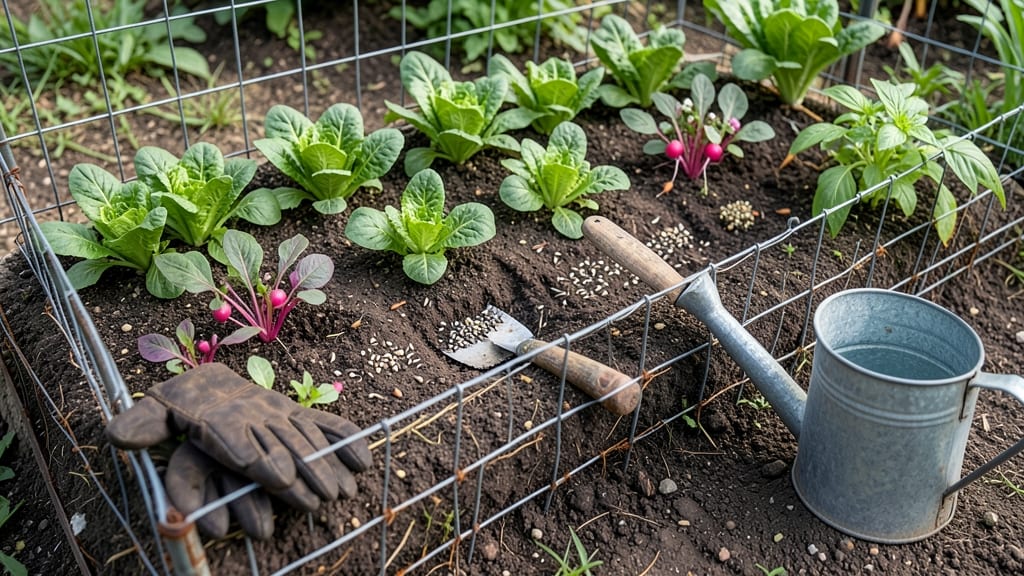
A chicken wire vegetable garden transforms your plot into a fortress against pests while keeping your produce thriving 🥕—no more waking up to half-eaten lettuce or gnawed carrots.
Struggling to keep pests from devouring your hard-grown vegetables? A chicken wire vegetable garden isn’t just a temporary fix—it’s a game-changing way to create a secure, organized, and aesthetically pleasing growing space that deters rabbits, deer, and even determined squirrels.
Whether you’re working with a small backyard or a sprawling plot, chicken wire offers flexibility. Use it to frame raised beds, build vertical trellises, or wrap it around existing gardens for instant protection. The best part? It’s affordable, reusable, and easy to customize for your specific pest problems.
In this guide, I’ll walk you through five creative layouts—from simple perimeter barriers to intricate trellis systems—that keep your veggies safe while maximizing your garden’s potential. Ready to reclaim your harvest?
5 Creative chicken wire vegetable garden layouts for pest protection
A chicken wire vegetable garden transforms your growing space into a fortress against hungry pests while adding structure and organization. Whether you're dealing with rabbits, deer, or squirrels, these creative layouts use simple materials to create effective barriers.
The best part? Most designs require just a few tools and minimal budget. I’ve tested these layouts in my own garden, and they’ve kept my tomatoes and lettuce thriving all season.
Chicken wire is versatile—you can bend it into raised bed frames, wrap it around individual plants, or create perimeter fences. The key is choosing the right gauge (19.5 for durability, 22 for flexibility) and securing it properly.
For example, a 3-foot-tall perimeter fence deters most ground-dwelling pests, while cage-style designs work wonders for delicate greens like kale or spinach. Let’s explore five layouts that maximize protection without sacrificing aesthetics.
⚠️ Comparison Table: Chicken Wire Garden Layouts
| Layout Name | Best For | Materials Needed | Ease of Setup | Pest Protection |
|---|---|---|---|---|
| Perimeter Fence | Large gardens, ground pests | Chicken wire (5 ft tall), stakes, zip ties | Moderate (requires digging stakes) | Excellent (rabbits, deer, rodents) |
| Raised Bed Frame | Small gardens, raised beds | Chicken wire (19.5 gauge), wood slats, screws | Easy (pre-cut wire sections) | Good (squirrels, birds, small pests) |
| Individual Plant Cages | Delicate greens, herbs | Chicken wire (2 ft x 2 ft), wire cutters, stakes | Very Easy (quick assembly) | Great (cabbage worms, slugs) |
| Vertical Trellis Wall | Vining plants, small spaces | Chicken wire (4 ft tall), PVC pipes, zip ties | Moderate (requires bending wire) | Good (deer, rabbits from climbing) |
| Underground Burrow Barrier | Root crops, burrowing pests | Chicken wire (1 ft wide), shovel, landscape staples | Easy (buried horizontally) | Excellent (moles, gophers, rabbits) |
The perimeter fence is my top recommendation for large gardens. I installed a 5-foot-tall chicken wire fence around my 4x8-foot raised bed, and it completely stopped rabbits from nibbling my carrots and beets. Use T-posts or heavy-duty stakes spaced every 3 feet for stability.
For smaller spaces, the individual plant cages are a game-changer. Simply wrap 2-foot squares of wire around lettuce or kale plants, securing them with zip ties or landscape staples. This keeps cabbage moths and slugs out while allowing airflow.
If you’re short on ground space, try the vertical trellis wall. Bend chicken wire into a 4-foot-tall grid and attach it to PVC pipes or wooden stakes. This works perfectly for pole beans, cucumbers, or squash.
For root vegetables like potatoes or radishes, bury a 1-foot-wide strip of chicken wire 6 inches deep around the perimeter. This blocks moles and gophers from tunneling in.
The raised bed frame is ideal if you want a permanent solution—just bend chicken wire into a rectangular frame and line it with wood or cinder blocks.
Pro tip: Combine layouts for layered protection. For example, use a perimeter fence to block deer, then add individual cages for your most vulnerable plants. I also recommend coating the wire with a plastic coating spray to extend its lifespan—rust is the enemy of long-term pest control!
For small gardens, focus on cages and underground barriers, while larger plots benefit from perimeter fences and vertical trellises. The key is customizing based on your biggest pest threats.
Don’t forget to secure all wire ends with zip ties or landscape staples—loose edges can become entry points for pests. If you’re dealing with determined squirrels, add a second layer of wire or bend the top edges inward to create a physical barrier.
With these layouts, you’ll enjoy a pest
How to choose the right chicken wire gauge and height for your garden
Selecting the right chicken wire gauge and height is crucial for protecting your vegetable garden from pests like rabbits and deer. The wrong choice can lead to flimsy barriers that bend, tear, or fail to keep critters out.
Let’s break down the key factors to help you make an informed decision that balances durability, cost, and effectiveness.
Most gardeners start by comparing 19.5 gauge and 22 gauge chicken wire. The 19.5 gauge is heavier and more rigid, making it ideal for perimeter barriers or raised beds in high-traffic areas. Meanwhile, 22 gauge is lighter, more flexible, and perfect for small cages or individual plant protection.
Your choice depends on the size of the pests you’re targeting and how much force they might exert.
| Factor | 19.5 Gauge | 22 Gauge |
|---|---|---|
| Wire Thickness (inches) | 0.065 | 0.040 |
| Best For | Perimeter barriers, heavy-duty cages | Small cages, lightweight supports |
| Cost per 100 ft Roll | $12–$18 | $8–$12 |
| Durability | High (resists bending, chewing) | Medium (may tear under pressure) |
| Recommended Height | 4–5 ft (for perimeter) | 3–4 ft (for individual plants) |
When it comes to height, a 3-foot barrier works well for deterring smaller pests like squirrels or rabbits, while a 5-foot fence is better for deer or larger animals.
For raised beds, a 4-foot height is often sufficient, but if your garden is near a wooded area, opt for the extra foot to prevent climbing pests. Always bury the wire 6 inches deep or use a J-bar to prevent digging animals from tunneling underneath.
To reinforce your chicken wire structure, consider adding wooden stakes or metal posts every 4–5 feet along the perimeter. For cages, wrap the wire around PVC pipes or bamboo stakes to create a sturdy frame.
If you’re using wire for vertical gardening, attach it to a trellis or fence with zip ties or staples to ensure it stays taut. Avoid using nails, as they can damage the wire over time.
For long-term use, invest in galvanized chicken wire, which resists rust and lasts 3–5 years longer than standard wire. While it costs 20–30% more, the added durability makes it worth the extra expense, especially in wet climates.
If you’re on a budget, painted wire can also extend its lifespan by protecting it from UV damage and rust.
Don’t forget to secure all edges with zip ties or staples to prevent gaps where pests can squeeze through. For extra protection, layer the wire with garden fabric on the inside to block smaller insects like cabbage moths.
With the right gauge, height, and reinforcement, your chicken wire vegetable garden will stay pest-free and thrive all season long.