
Tools
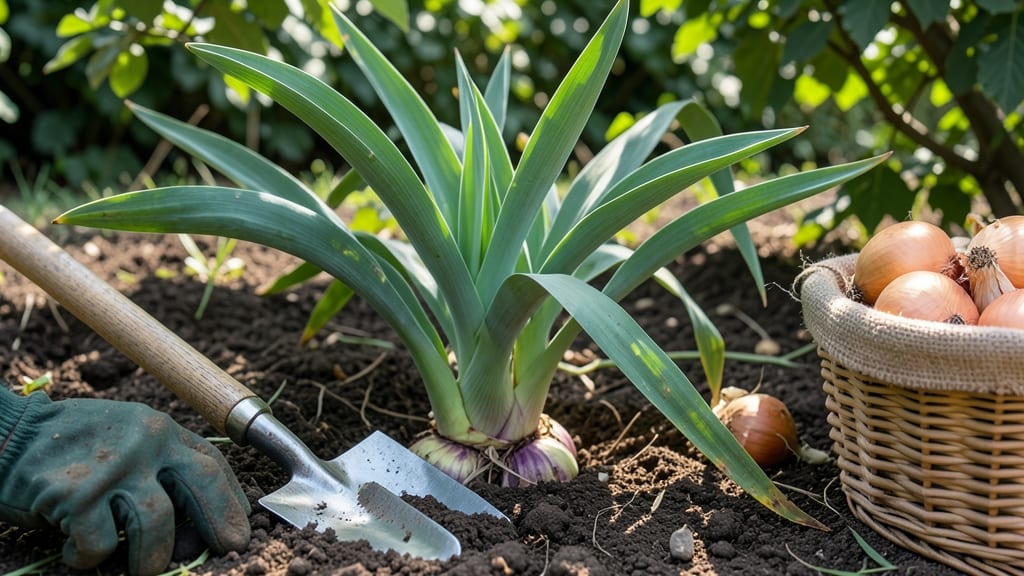
Pull onions from your garden when their tops yellow and flop over 🧅 — that’s the perfect moment to harvest for the best flavor and storage life.
Harvesting onions at the wrong time means sacrificing flavor, storage potential, and even your entire crop—so knowing exactly when to pull them is the secret to a successful garden.
Most varieties in Zone 6a are ready by late summer, but the real clues are in the leaves: when they turn yellow and start to dry out, that’s your cue to dig them up.
Below, I’ll walk you through the three key signs to spot, how to adjust for your climate, and what to do if you miss the window.
3 Clear signs your onions are ready for harvest (with visual cues)
Knowing exactly when to pull onions from your garden can mean the difference between sweet, flavorful bulbs and bitter, pungent ones. The key lies in three visual cues that signal peak ripeness—without damaging your crop.
I’ve learned the hard way that waiting too long or harvesting too early ruins both taste and storage potential. Let’s dive into the foolproof signs that tell you it’s time to harvest.
First, understand that onions mature at different rates depending on your climate zone and variety. Most storage onions take 100-120 days to reach harvest, while green onions mature in just 60 days.
But regardless of type, these three indicators will help you determine the perfect moment to pull them from the soil. The sooner you recognize these signs, the better your harvest will be.
Here’s what to look for—each step is simple, but missing even one can lead to subpar onions. The good news? You can check these signs without digging up your onions prematurely. Gently grasp the base of the plant and lift slightly to inspect the bulb while keeping the roots intact.
🌱 3 Foolproof Signs Your Onions Are Ready
-
1. Tops Turn Yellow and Flop Over
The most obvious sign is when the green tops start yellowing and falling over. This indicates the bulb has stopped growing upward and is redirecting energy to storage. If you see 50% of leaves yellowed, it’s time to harvest within the next 1-2 weeks. -
2. Bulb Diameter Reaches 1-2 Inches
Gently brush away soil to check the bulb size. At peak harvest, onions should be firm and round, measuring about the size of a golf ball. If they’re smaller than a ping-pong ball, they’re not ready—wait another week. -
3. Neck Begins to Shrink and Dry
The neck (stem) between bulb and leaves should start to tighten and dry out. This is your cue that the onion is nearing its sweetest stage. If the neck is still thick and green, hold off on harvesting for another 7-10 days.
One common mistake I see is waiting until the tops are completely brown and crispy. By then, the bulb may have started to sprout or rot underground. The ideal time is when the tops are half-yellowed—this ensures the bulb is fully developed but still fresh.
Pro tip: Harvest on a dry, sunny morning to give onions time to dry properly before storage.
If you’re growing green onions (scallions), the rules are slightly different. You can harvest them when the leaves reach 6-8 inches tall, typically every 2-3 weeks throughout the season.
But for storage onions, these three signs are your golden ticket to a perfect harvest. Trust the visual cues, and you’ll avoid the heartache of bitter or shriveled bulbs.
Another pro move? Test a few onions before committing to a full harvest. Dig up 2-3 plants, check the bulbs, and taste one raw. If it’s sweet and crisp, you’re golden.
If it’s still pungent or watery, give the rest a little more time. This trial method saves you from harvesting an entire crop too soon.
Regional differences matter too. In warmer climates (Zones 8-10), onions may mature faster and need harvesting by late spring. In cooler zones (Zones 3-6), you might extend harvest into early fall.
Always align your harvest with your local last frost date—aim to pull onions before temperatures drop below 50°F.
Finally, remember that storage onions need proper curing after harvest. Once pulled, let them dry in a shady, well-ventilated spot for 2-3 weeks. This step is crucial for long-term storage and prevents rot.
Skip the curing, and you’ll end up with onions that spoil within weeks. It’s a small effort for a big payoff!
Master these three signs, and you’ll never second-guess your onion harvest again. The next time you’re kneeling in your garden, checking your onions, you’ll know exactly when to pull for the best flavor and storage life. Happy harvesting! 🧅
Best time of day and season to pull onions for maximum flavor
Timing your onion harvest correctly ensures sweet, flavorful bulbs that store well. The best window depends on your climate zone and whether you're growing storage onions or green onions. In cooler regions, aim for late summer to early fall, while warm climates may need an early spring harvest.
For maximum flavor, harvest onions on a dry morning after dew has evaporated. This prevents soil from sticking to bulbs and reduces disease risk. Avoid harvesting after heavy rain or during extreme heat, as these conditions stress the plants and affect taste.
Green onions differ from storage onions—they're ready to pull anytime their leaves reach 6-8 inches tall. Simply snip the outer leaves, leaving the roots intact for regrowth. Storage onions, however, need full maturity before harvest.
🧅
Storage onions thrive in cooler temperatures before harvest. If your summer heat exceeds 85°F, consider harvesting earlier or providing shade cloth. In warm climates, onions often bolt prematurely—plant short-day varieties like 'Texas Early White' to delay flowering.
After pulling, let onions cure in the sun for 3-5 days to toughen skins. This step is crucial for long-term storage (up to 6 months). For immediate use, you can harvest and store in the fridge for 2-3 weeks, but cured onions keep far longer.
🌱