
Planting
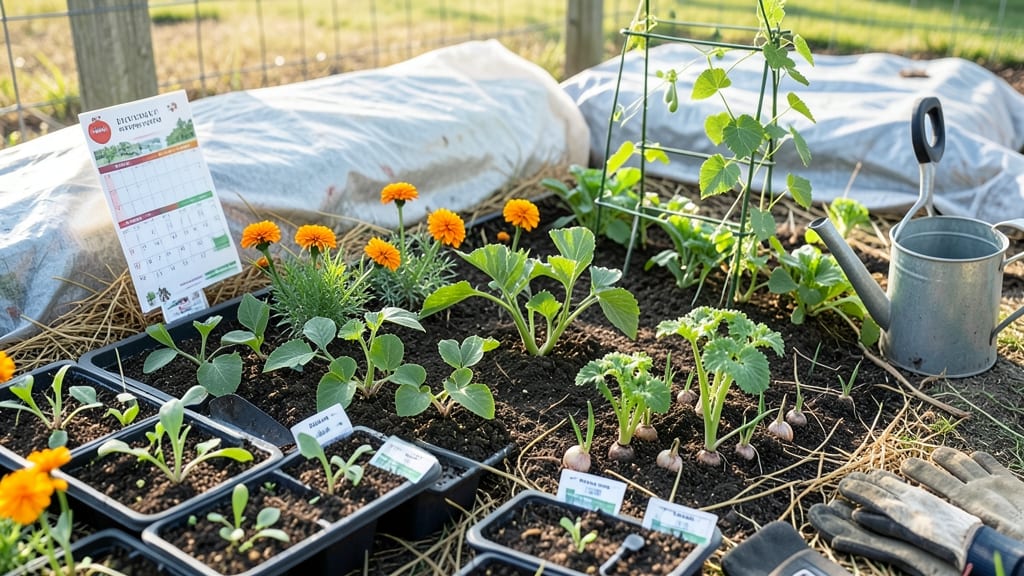
Planting your garden in Nebraska at the right time means the difference between a bountiful harvest and a sad pile of frost-nipped seedlings.
Nebraska’s unpredictable frost dates can make or break your garden—planting too early risks frost damage, while waiting too long shortens your growing season. Follow this zone-specific guide to maximize yields and avoid common mistakes.
Whether you’re in the cooler USDA Zone 5a or the slightly warmer Zone 6b, timing is everything. Cool-season crops like spinach and peas can handle early spring plantings, while tomatoes and peppers need to wait until after the last frost.
Below, I’ll break down the best planting windows by month, share tricks to extend your season, and help you avoid the top 3 timing mistakes Nebraska gardeners make every year.
Nebraska planting zones: frost dates by region for optimal timing
Nebraska spans USDA Hardiness Zones 5a through 7a, creating distinct frost patterns that dictate your planting schedule. In Zone 5a (western Panhandle), last frosts average April 25, while Zone 7a (southeast corner) sees last frosts around April 10.
These dates shift your warm-season planting window by two weeks or more across the state.
First frosts return as early as October 15 in Zone 5a and as late as November 1 in Zone 7a. Understanding these frost-free days (typically 150-180 days) helps you calculate when to plant heat-loving crops like tomatoes and peppers versus cool-season favorites like spinach and peas.
Here’s how to use this data: Warm-season crops need soil temps above 50°F (use a soil thermometer) and 100+ frost-free days to mature. Cool-season crops thrive with 30-50 days before frost and tolerate light freezes (down to 25°F for hardy varieties).
My Zone 6a garden in Omaha typically plants tomatoes after May 15 and spinach by March 20, but I always check weekly frost forecasts from the National Weather Service for adjustments. Even a 3-day delay can mean the difference between a bountiful harvest and wilted seedlings.
Heat-unit calculations (growing degree days) are your secret weapon. For example, tomatoes need 1,200-1,500 GDDs to ripen. In Zone 5b, that means starting seeds indoors by March 1 and transplanting after May 10. In Zone 7a, you can direct-sow two weeks earlier.
For warm-season crops, I recommend using 50°F soil thermometers to confirm readiness. In Zone 5b, wait until soil hits 55°F for 3 consecutive days before planting corn or peppers
Best crops to plant by month in Nebraska: a month-by-month guide
Nebraska’s growing season varies dramatically between zones 5b and 6a, with last frost dates ranging from mid-April to early May. Timing is everything—plant too early, and a late frost will wipe out tender seedlings.
Too late, and your harvest shrinks. Let’s break down the best month-by-month planting schedule for your Nebraska garden.
For cool-season crops like spinach and peas, start in early spring when soil temperatures hover around 40°F. Warm-season favorites like tomatoes and peppers need to wait until after the last frost date, typically late May.
Even July offers opportunities for fall crops like kale and carrots—don’t let the heat wave fool you!
🌱 Nebraska Planting Calendar
- March-April: Spinach, peas, lettuce (cold-hardy greens) and onion sets. Soil should be workable, not soggy.
- Late April-May: Potatoes, radishes, kale. Wait until nighttime temps stay above 45°F consistently.
- May-June: Tomatoes, peppers, beans, corn. Soil must be 60°F+ for warm-season crops to thrive.
- June-July: Cucumbers, squash, zucchini. Succession plant every 2-3 weeks for continuous harvests.
- July-August: Fall broccoli, carrots, beets. Start seeds indoors or use row covers for early starts.
In zone 5b, where frosts linger longer, delay warm-season planting by 1-2 weeks compared to zone 6a. For example, tomatoes in zone 5b should wait until May 20-30, while zone 6a gardeners can plant by May 10-20.
Always check your local frost-free date—it’s your garden’s lifeline!
Don’t forget succession planting! For crops like lettuce and beans, make weekly sowings every 2-3 weeks to ensure a steady supply. This works especially well for bush beans and radishes, which mature quickly. Even in Nebraska’s short season, you can stretch harvests with this simple trick.
July isn’t just for summer crops—it’s the perfect time to prep for fall. Direct-sow kale, carrots, and turnips in July for harvests in September-October. Use black plastic mulch to warm the soil and speed up germination. This is my favorite hack for beating Nebraska’s early frosts!
Pro tip: Keep a planting journal to track frost dates and crop performance. Note when you planted and how long it took to harvest. Over time, you’ll spot patterns—like which years your zucchini bolted early or when your spinach survived a late frost.
Knowledge is power in Nebraska’s unpredictable climate! 🌱