
Planting
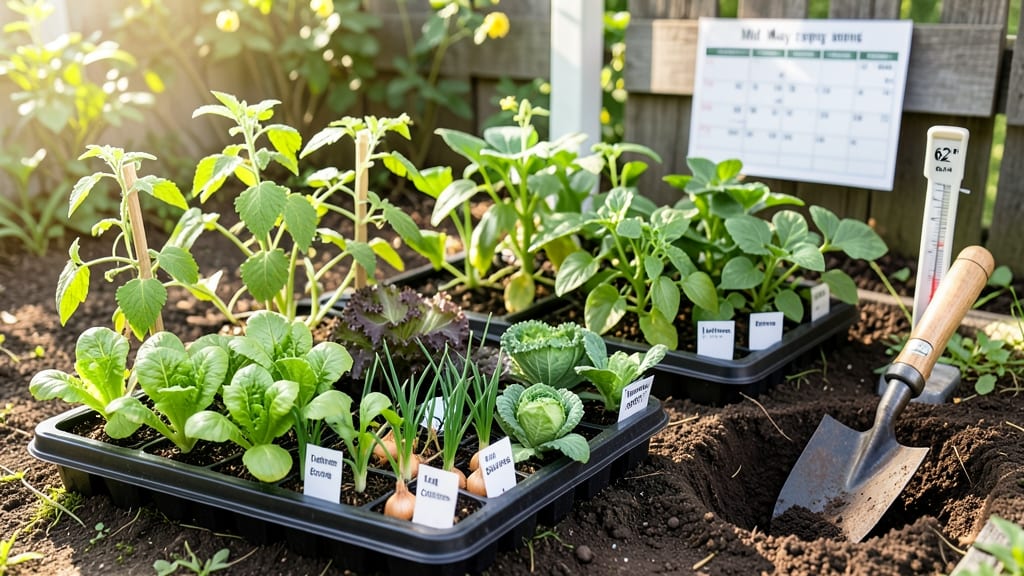
Planting your garden in Iowa at the right time means the difference between a bountiful harvest and a sad pile of frozen seedlings.
Iowa’s unpredictable spring weather can turn a gardener’s best-laid plans into a guessing game—but knowing the exact planting dates by hardiness zone ensures your tomatoes, corn, and flowers thrive instead of freeze.
With USDA zones 5a-5b and frost dates that shift yearly, timing isn’t just about the calendar. Whether you’re a first-timer or a seasoned green thumb, this guide breaks down when to start seeds indoors, when to direct-sow, and how to adjust for late frosts or early heat waves.
You’ll learn the ideal windows for everything from peas to pumpkins, plus how to stretch your growing season with row covers and mulch—so you can finally beat Iowa’s weather at its own game.
Iowa planting dates by hardiness zone (2024 guide)
Iowa spans USDA hardiness zones 4a-5b, meaning your planting schedule should account for last frost dates that range from mid-April in southern Iowa to late May in the north. These variations can make a 3-week difference in when you safely plant warm-season crops like tomatoes or peppers.
I’ll break down the exact windows for each zone, plus soil temperature thresholds and cold-tolerant exceptions.
For all Iowans, the golden rule is: Wait until soil temperatures hit 50°F at 4-inch depth for warm-season crops.
Cold-hardy veggies like spinach and peas can go in as early as mid-March in zone 5b, while tomatoes and cucumbers need to wait until after May 15 in zone 4a. Let’s dive into the zone-by-zone breakdown.
| Zone | Last Frost Date | Warm-Season Start | Cold-Hardy Start | Fall Planting End |
|---|---|---|---|---|
| 4a (Northern Iowa) | May 15 | June 1 | April 15 | September 1 |
| 4b (Northeast Iowa) | May 1 | May 20 | April 1 | September 15 |
| 5a (Central Iowa) | April 25 | May 10 | March 20 | October 1 |
| 5b (Southwest Iowa) | April 15 | April 25 | March 10 | October 10 |
Dates reflect 10-year averages; adjust 1-2 weeks based on your microclimate.
In zone 4a (northern Iowa), you’ll need to be patient—tomatoes and peppers often won’t go in until early June. But don’t let that discourage you! Start cold frames or row covers in late April to jumpstart lettuce, kale, and radishes.
My trick? Plant spinach in mid-March under protective cloches for an early harvest.
For zone 5b (southwest Iowa), you’ve got a head start: warm-season crops like squash and beans can hit the soil by April 25.
This zone also allows for two full harvests of bush beans—plant the first batch in mid-April and succession plant every 2 weeks until June 15. Don’t miss this window for continuous production!
Herbs like basil and cilantro are finicky about timing. In zone 5a, I plant cilantro in early April but replace it with basil by May 10—cilantro bolts in heat, while basil needs warm soil to thrive.
Pro tip: Use black plastic mulch to warm soil faster for peppers and eggplants.
Fall planting in Iowa works best if you direct-sow kale, carrots, and broccoli by August 15. These cool-season crops tolerate light frosts and often taste sweeter after frost.
In zone 4a, wrap row covers around cabbage and Brussels sprouts by September 1 to extend harvests into November.
Microclimates matter! Urban areas in Des Moines (zone 5b) can be 2-3°F warmer than rural farms, while north-facing slopes stay colder. I always check local weather stations and adjust planting by 1-2 weeks if needed. For example, corn planted too early in cool soil risks root rot.
Don’t forget perennials and trees! In Iowa, asparagus crowns go in early spring (March-April), while fruit trees should be planted in fall (October) for best establishment. For daylilies and coneflowers, divide clumps in early spring or fall—just avoid extreme heat or cold.
Use this guide as your planting calendar foundation, but stay flexible. Iowa’s weather can shift overnight, so always have row covers and a frost watch plan. With these dates as your baseline, you’ll maximize your garden’s potential—no more guessing games! 🌱
How to adjust planting for Iowa’s unpredictable weather patterns
Iowa’s unpredictable spring and late frost risks can derail even the most careful gardeners. I’ve learned the hard way that planting too early means lost seedlings, while waiting too long shrinks your harvest. The key is flexibility—using soil temperature, row covers, and microclimate tricks to outsmart Mother Nature.
Urban gardens in Des Moines often warm up faster than rural fields in northwest Iowa, thanks to heat islands and concrete surfaces. Meanwhile, southern Iowa’s longer frost-free season lets gardeners plant corn and beans weeks earlier.
Knowing these microclimates helps me adjust planting dates by 2-3 weeks depending on location.
⚠️ callout warning
🔥 Pro Tip: Plant cold-hardy crops (spinach, peas, lettuce) 3-4 weeks before your average last frost—they’ll survive light freezes. For warm-season crops, use black plastic mulch to warm soil 5-10°F faster than bare earth.
I’ve had the most success with row covers and cloches to protect seedlings. A simple floating row cover (like Reemay fabric) can raise soil temps by 3-5°F and shield plants from 28°F frosts.
For high-value crops like tomatoes and peppers, I start them indoors in early March and transplant after Mother’s Day, even if the ground is still chilly.
For corn and beans, my backup plan is critical. These crops need warm soil (60°F+) to germinate. If April stays cold, I switch to fast-maturing varieties like ‘Early Sunglow’ corn (70 days) or ‘Blue Lake’ beans (55 days).
Planting succession crops every 2 weeks ensures a harvest even if the first planting fails.
Don’t overlook mulching—it’s my secret weapon. A 4-inch layer of straw keeps soil 5-8°F warmer in spring and slower to cool in fall. I also use dark landscape fabric under mulch to block weeds and retain moisture.
This extends my fall planting window by 3-4 weeks, letting me grow kale and carrots well into October.
When all else fails, I rely on Iowa State University’s frost probability maps (available online) to adjust dates. For example, if the map shows a 30% frost risk on May 5, I delay planting tomatoes until May 15.
It’s not perfect, but it’s better than guessing—and my garden’s survival rate proves it.