
Planting
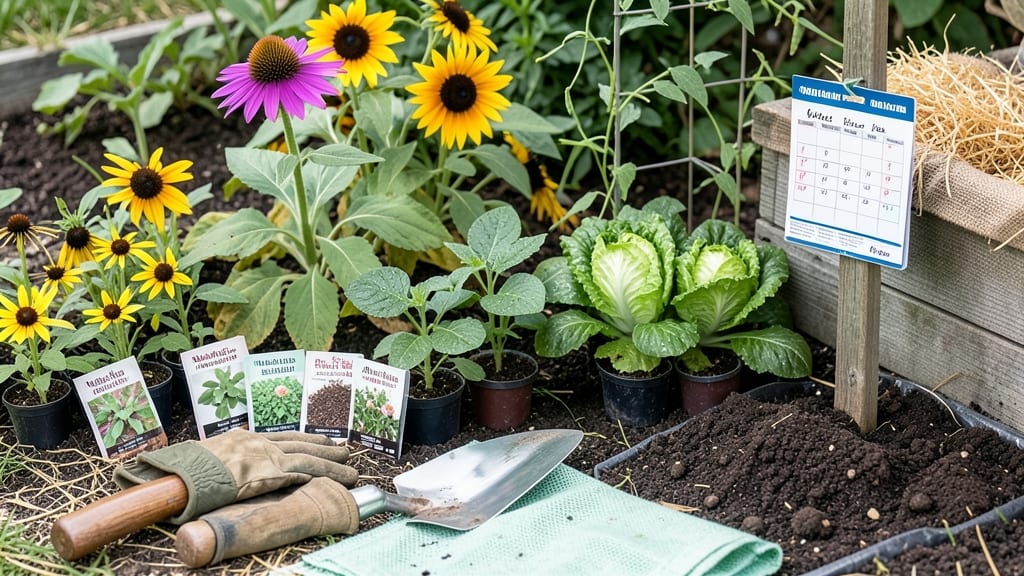
Planting a garden in Minnesota means timing it just right between mid-April and late June—or risk losing your hard work to frost or missing peak harvests.
Minnesota’s unpredictable climate can make timing your garden planting a high-stakes game—plant too early and risk frost damage, too late and miss peak harvests. Mastering the frost-free dates by zone is your secret weapon for a thriving garden.
In USDA Zones 3-5, the last frost typically hits around mid-May, but that doesn’t mean you should wait until then. Cool-season crops like spinach and peas can handle early spring planting, while warm-season favorites like tomatoes and peppers need warmer soil.
Below, I’ll break down the best planting windows for your 🌱 General Garden Plants, how to adjust for early starts or late falls, and the top mistakes to avoid—so you can enjoy a bountiful harvest all season long.
Minnesota’s frost-free date zones: when to plant cool vs warm-season crops
Minnesota’s USDA Plant Hardiness Zones 3-5 create dramatic differences in frost-free dates, which directly impact your planting schedule. In Zone 3 (northern MN), the last spring frost typically arrives between May 10-20, while Zone 5 (southern MN) sees frost-free conditions by April 25-May 5.
These dates determine whether your cool-season crops like spinach and peas can thrive or if warm-season crops like tomatoes and peppers have enough time to mature before fall frost hits in mid-October.
Understanding these zones helps you align your planting with nature’s rhythm. For example, Zone 4 gardeners (central MN) have about 120 frost-free days, perfect for fast-maturing crops like bush beans (50 days) but too short for sweet corn (90+ days) unless you use season-extending tricks.
The key is matching your plant’s maturity timeline with your zone’s frost-free window to avoid wasted effort or lost harvests.
Cool-season crops like lettuce, kale, and peas actually prefer cooler temperatures and can handle light frosts. In Zone 3, you can start these as early as late April, while Zone 5 gardeners can begin in early April. For warm-season crops like tomatoes and peppers, wait until after your last frost date—planting too soon risks stunted growth or death from unexpected cold snaps.
Here’s how to use this guide: First, identify your USDA Zone (check the MN State Climatology Office map), then reference the frost-free dates below.
For cool-season crops, plant 4-6 weeks before last frost; for warm-season crops, wait until 2 weeks after last frost to ensure soil temperatures are above 50°F (10°C).
🌱
For Zone 3 gardeners, focus on fast-maturing varieties like bush beans (50 days) or radishes (25 days) to maximize your short season.
In Zone 5, you have more flexibility to grow longer-season crops like zucchini (50–60 days) or peppers (70–80 days), but always monitor soil temperatures—warm-season crops need soil at 60°F (15°C) or warmer to germinate.
Pro tip: Use row covers or cold frames to extend your cool-season planting by 2–4 weeks. For example, in Zone 4, you can start spinach under row covers in mid-March for an earlier harvest. Similarly, fall-planted crops like kale or garlic can be sown as late
How to adjust planting dates for early spring and late fall harvests
Minnesota’s short growing season doesn’t mean you’re limited to summer harvests. With the right strategies, you can safely plant hardy greens in early spring or kale and cabbage in late fall—extending your garden’s productivity by weeks.
The key lies in understanding how to protect tender plants from frost while maximizing sunlight exposure during shorter days.
For early spring, focus on cool-season crops like spinach, peas, and lettuce, which thrive in 50-60°F soil temperatures. These plants can handle light frosts and even snow cover, which insulates roots.
In late fall, kale, Brussels sprouts, and carrots become your best friends—they sweeten with frost and can survive until hard freezes hit.
🌱 Pro Tips for Extending Your Minnesota Growing Season
- 1 Use row covers (floating fabric tunnels) to plant 3-4 weeks earlier in spring or 2-3 weeks later in fall. These create a microclimate that traps heat and protects against light frosts (down to 25°F).
- 2 Cold frames (unheated glass boxes) can extend your season by 6-8 weeks on either end. Place them over leafy greens or herbs in early spring or root vegetables in late fall. Remove the lid during warm days to prevent overheating.
- 3 Succession planting ensures a continuous harvest. Sow fast-growing crops like radishes or lettuce every 2 weeks in spring and every 3 weeks in fall. This fills gaps left by earlier harvests and keeps your garden productive longer.
- 4 Choose late-maturing varieties for fall crops. Look for labels like "late fall harvest" or "winter-hardy". Examples include Winterbor kale (survives to -15°F) or Nantahala sweet potatoes (harvest before hard frost).
- 5 Monitor soil temperature with a soil thermometer—aim for 50°F for cool crops and 60°F for warm crops. In Zone 4, wait until May 15 for warm-season plants; in Zone 5, you can start 2 weeks earlier.
In northern Minnesota (Zone 3-4), where frost can linger until May 20, prioritize cold-hardy crops like Swiss chard or peas. These can handle 28°F temperatures and even light snow.
For southern Minnesota (Zone 5), you’ve got more flexibility—try planting bush beans or cucumbers under row covers as early as April 20.
For late fall, Brussels sprouts and carrots are ideal—they improve in flavor after frost. Start seeds indoors 8-10 weeks before your first frost date (typically September 15 in Zone 4 and October 1 in Zone 5).
Transplant seedlings outdoors in early August to ensure they mature before winter sets in.
Protect your extended-season plants with straw mulch (4-6 inches thick) to insulate roots during early spring or late fall freezes. This simple trick can raise soil temperatures by 5-10°F, giving tender seedlings a fighting chance.
Pair it with black plastic mulch for warm-season crops to speed up soil warming by 10-15°F.
Remember: Harvest before hard frost (below 20°F) for most crops. Exceptions include garlic, onions, and winter squash, which can overwinter in the ground. With these strategies, you’ll turn Minnesota’s short season into a year-round gardening advantage—one that keeps your kitchen stocked long after summer fades. 🌿