
Picking
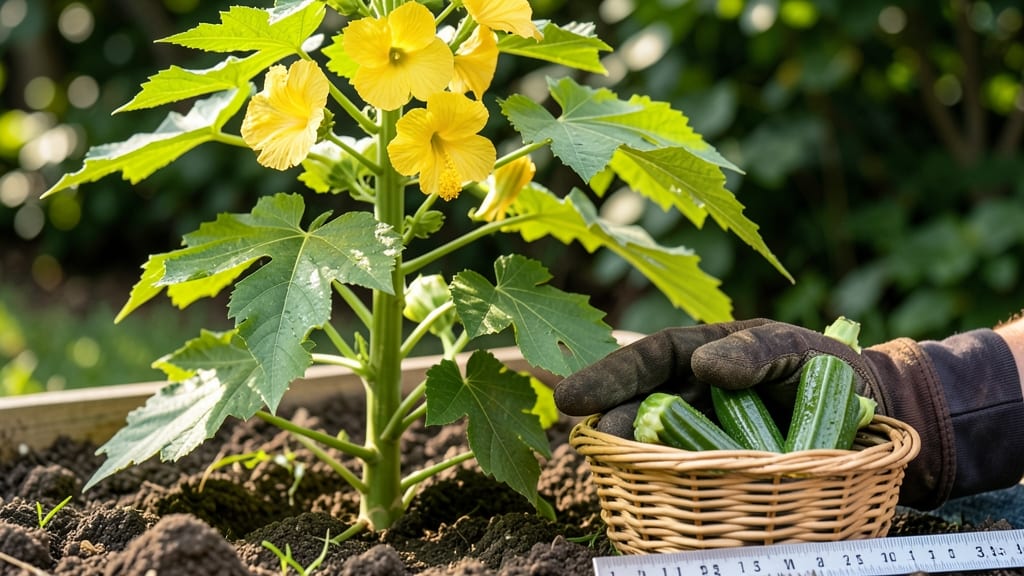
Picking okra from the garden at the right time ensures tender, flavorful pods 🌱 — and missing that window means tough, seedy bites that even frying can't save.
Okra’s short window between perfect ripeness and becoming tough or seedy can turn a bountiful harvest into a culinary gamble—but mastering the 'finger-width rule' makes all the difference.
Here’s the secret: harvest pods when they’re 2-3 inches long, measured by wrapping your fingers around them. That’s when they’re firm, crisp, and packed with flavor, not woody or overgrown.
Below, I’ll break down the exact visual cues, regional timing tips, and how often to check your plants for peak harvests every time.

The 3 finger-width rules for picking okra at peak freshness
Okra’s flavor and texture change dramatically within days—overripe pods become woody and seedy, while underripe ones stay bland and rubbery. The secret to perfect okra lies in your fingers: using simple finger-width measurements to gauge ripeness.
This science-backed method ensures you harvest pods at their peak tenderness and nutritional value, every time.
Most gardeners struggle with timing their harvests because okra grows so quickly. But once you master the 3 finger-width rules, you’ll know exactly when to snip those pods for crisp, flavorful results.
These measurements work for all okra varieties, whether you’re growing Clemson Spineless, Emerald, or Jumbo Red. Let’s break down how to use your fingers as a foolproof guide.
- 1 1-Finger Rule (Underripe): Pods smaller than 1 inch wide (fits between thumb and index finger). These are too young—they’ll lack flavor and snap when cooked. Wait 2-3 days for better development.
- 2 2-Finger Rule (Ideal): Pods 2 inches wide (spans thumb to middle finger). This is the sweet spot—firm but tender, with a matte green hue and slight bulge at seams. Harvest these immediately for best texture.
- 3 3-Finger Rule (Overripe): Pods 3+ inches wide (spans thumb to ring finger). These are fibrous and seedy, with a dull, waxy finish. While still edible, they’re best for soups or stews—not stir-fries.
Pro Tip: Use a sharp pruning shear to avoid damaging the plant’s delicate stems.
Beyond finger-width, pay attention to pod texture. Ideal okra should feel slightly fibrous when rubbed between your fingers—like a dry, crinkly paper bag. Overripe pods develop a hard, glossy surface, while underripe ones stay slimy and glossy.
Press gently: if it yields slightly (like a ripe avocado), it’s ready to pick.
Color is another key clue. Bright green pods with visible seams are perfect, while yellowing or brown spots signal overripeness. Darker varieties like Burgundy okra should have a deep purple-green hue at the 2-inch mark.
Harvest in the morning when pods are cool and crisp—this ensures the best flavor and texture.
Here’s my harvesting hack: Check your okra plants every 2-3 days during peak season (July-September). Regular picking stimulates more pods to form, giving you a longer harvest window. Use a small basket or cloth bag to avoid bruising the pods—okra bruises easily, leading to premature spoilage.
If you miss the 2-inch window, don’t despair. 3-inch pods are still usable—they just require longer cooking times (20+ minutes) to soften. For best results, slice them lengthwise before cooking to reduce fiber. And if your pods exceed 4 inches, consider saving seeds for next year’s garden!
Regional climates can tweak these rules slightly. In hotter zones (8-11), okra matures faster—check pods every 48 hours to avoid missing the sweet spot. In cooler zones (5-7), pods may grow slower; extend your finger-width range to 1.5-2.5 inches for flexibility.
Always adjust for humidity: wet conditions can make pods softer and more prone to rot.
One common mistake is harvesting by color alone. Some okra varieties (like Red Burgundy) stay deep green even when overripe. Always combine finger-width with texture tests for accuracy.
And remember: okra pods grow fastest in heat, so morning harvests in summer are critical to avoid missing the window.
With these 3 finger-width rules, you’ll transform okra harvesting from guesswork to science. Soon, your kitchen will be stocked with tender, flavorful pods all season long—no more tough, seedy disappointments! Grab your shears and start measuring.
Okra harvest timing mistakes that ruin your pods (and how to avoid them)
Timing your okra harvest wrong can turn those crisp, tender pods into tough, seedy disappointments. I’ve seen gardeners miss the 3-inch window between perfect ripeness and overmaturity, and it’s a heartbreak every time.
The key? Paying attention to pod size, texture, and color—not just guessing based on days since planting.
One of the biggest mistakes I see is waiting too long. By the time you notice your okra plants are covered in pods, they’re often already overripe and woody.
Even worse, some gardeners pick too early, leaving pods underdeveloped and lacking flavor. Both extremes ruin the harvest, so let’s fix that with clear visual cues and timing rules.
⚠️ Critical Harvest Window Alert!
Okra pods are only ideal for 3-5 days at peak ripeness. After that, they harden rapidly. Here’s how to spot the perfect harvest moment:
- Size: 2-3 inches long (wrap your fingers around the pod)
- Texture: Firm but slightly tender when pressed (not rock-hard)
- Color: Deep green with visible seams (avoid glossy or dull pods)
Pro Tip: Check your plants every 2-3 days during peak harvest season to avoid missing this window!
Another common mistake is ignoring seasonal timing. Okra thrives in warm weather (70-90°F), but if you’re in a cooler climate, you might harvest too late in the season. In USDA zones 5-7, for example, okra often bolts (goes to seed) by early fall.
Always align your harvest schedule with your local frost dates—typically July through September for most regions.
Overlooking the frequency of harvests is another trap. Okra plants produce continuously, and if you don’t pick regularly, they’ll focus energy on seed production instead of new pods. I recommend harvesting 2-3 times per week during peak season to encourage more growth.
Think of it like pruning—you’re shaping the plant’s output by staying on top of it.
Finally, some gardeners make the error of harvesting at the wrong time of day. Okra pods are most tender in the morning after dew has dried but before the heat of the day sets in.
Waiting until evening can mean tougher pods, and harvesting in direct midday sun can cause stress to the plant. Always aim for 7-9 AM for the best texture and flavor.
By avoiding these timing mistakes—waiting too long, picking too early, ignoring seasons, skipping harvests, and timing harvests poorly—you’ll ensure a steady supply of tender, flavorful okra all season long.
The key is consistency: check your plants often, use the finger-width rule, and harvest in the morning. Your taste buds (and your okra) will thank you!