
Picking
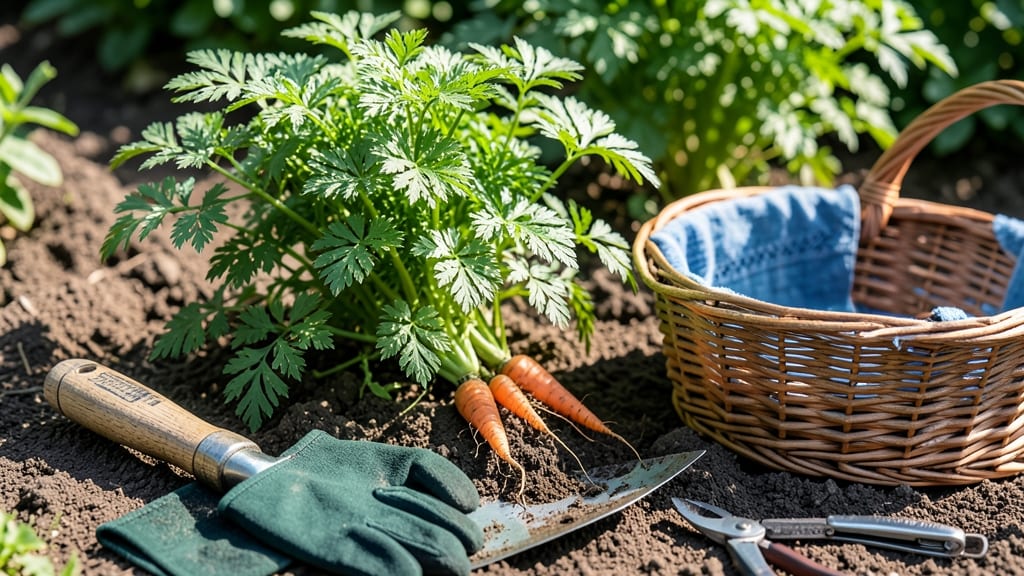
To pick carrots in your garden at the perfect time means harvesting them when they’re sweetest and crispest—not before they’re ready, and certainly not after they’ve toughened up.
What if I told you the answer lies in three simple visual cues hidden in plain sight? Most gardeners miss them, which is why their carrots end up either too small or woody. The key is in the leaves, the root size, and how easily they pull from the soil.
Whether you’re growing short-season varieties in cooler zones or letting heirlooms mature longer, timing matters. A carrot pulled too early stays baby-sized; left too long, it turns bitter and stringy. Below, I’ll show you exactly when to dig—plus how to store them so they stay fresh for weeks.
Skip the guesswork and learn the three foolproof signs that tell you: “Yes, it’s time to harvest these 🥕.”

3 Visual cues to determine when carrots are ready for harvest
Harvesting carrots at the perfect moment transforms your garden into a treasure trove of sweet, crisp roots instead of tough, fibrous disappointments. The key lies in three simple visual cues that reveal when your carrots have reached maturity.
Ignoring these signals often leads to overgrown roots that split or develop woody textures—so let’s explore how to spot the ideal harvest window before it’s too late.
First, pay attention to the leaf color and size of your carrot tops. Healthy, mature carrots develop vibrant green foliage that stands about 3-4 inches tall. If the leaves appear pale or yellowing, your carrots may be struggling, while overly tall or leggy tops often signal overmaturity.
This subtle shift in color and stature is your first clear indication that harvest time is approaching.
Next, examine the root size by gently brushing away soil around the base. When carrots reach 1-1.5 inches in diameter, they’re typically ready for harvest. Smaller roots (under 1 inch) will be underdeveloped, while larger ones risk becoming tough and woody.
Use a ruler to check—this simple tool helps avoid guessing and ensures you harvest at peak sweetness.
🌱 3 Visual Cues for Perfect Carrot Harvest
- 1. Leaf Color & Height: 3-4 inches tall with vibrant green leaves. Avoid harvesting if leaves are yellowing or wilted.
- 2. Root Diameter: 1-1.5 inches wide at the widest point. Smaller roots are underdeveloped; larger roots become woody.
- 3. Soil Resistance: Roots should give slightly when gently tugged. If they pop out easily, they’re ready; if they resist, wait 1-2 weeks.
Pro Tip: Check roots in the morning when soil is moist but not soggy—this makes it easier to assess size and firmness without damaging the plant.
Don’t overlook the soil resistance test, a foolproof way to confirm readiness. Gently grasp a carrot’s foliage and tug upward—if the root slips out easily with minimal resistance, it’s harvest-ready. If it feels firmly anchored, wait another 1-2 weeks to avoid pulling immature roots.
This tactile check is especially useful for varieties like Danvers or Nantes, which mature slightly later than faster types.
One common mistake gardeners make is harvesting based on days alone. While most carrots mature in 60-80 days, factors like soil temperature, variety, and sunlight can shift this timeline.
For example, short-day varieties (like Paris Market) may mature faster in cooler climates, while long-day types (such as Chantenay) thrive in warmer zones. Always cross-reference days with visual cues to avoid premature or delayed harvests.
Another pitfall is ignoring soil conditions during harvest. Compacted or rocky soil can cause carrots to fork or split, making them unmarketable. If you notice uneven growth or twisted roots, loosen the soil with a fork 1-2 weeks before harvesting to encourage straighter development.
This proactive step pays off when you’re ready to pull perfectly shaped carrots from the earth.
For container-grown carrots, the same rules apply, but pay extra attention to root crowding. If your pots are small (under 12 inches wide), carrots may mature faster due to limited space.
Monitor their growth closely and harvest when they reach ½ their expected size—this prevents overcrowding and ensures you get a full harvest before the season ends.
Finally, remember that seasonal timing matters. Spring-planted carrots often reach maturity 2-3 weeks earlier than fall crops because cooler temperatures slow growth. In USDA Zone 6a, aim to harvest spring carrots by late June and fall varieties by early November before frost sets in.
Adjust these dates slightly for warmer or cooler regions to avoid tough, frosted roots.
By mastering these three visual cues—leaf color, root size, and soil resistance—you’ll transform your carrot harvest from a gamble into a predictable success. Next time you’re kneeling in the garden, take a moment to check these signs before pulling.
Your taste buds will thank you for the difference between crisp perfection and woody disappointment.
Carrot harvesting timeline: month-by-month growth stages explained
Timing your carrot harvest correctly depends on both the variety you’re growing and your local climate. Fast-maturing varieties like ‘Early Nantes’ or ‘Paris Market’ reach harvest in just 45-50 days, while heirlooms like ‘Danvers’ or ‘Chantenay’ may take 70-90 days.
Warmer zones can push harvests earlier, while cooler regions may need to extend growing seasons.
Spring-planted carrots typically hit peak harvest between June and July, while fall plantings are ready from October to November. Even within these windows, soil temperature and daylight hours play critical roles—carrots grow slower in cold soil and bolt faster in heat.
Adjust your expectations based on your USDA zone and whether you’re growing short-day or long-day varieties.
Here’s how to align your harvest timing with your region and variety choices:
| Month | Variety Type | Days to Maturity | Harvest Window | Climate Notes |
|---|---|---|---|---|
| April-May | Fast-maturing (e.g., 'Paris Market') | 45-50 days | Late May-June | Ideal for cooler zones (USDA 3-5) |
| May-June | Medium (e.g., 'Nantes') | 60-70 days | July-August | Best in moderate zones (USDA 6-8) |
| June-July | Heirloom (e.g., 'Danvers') | 70-90 days | September-October | Requires warm soil; extend with row covers |
| August-September | Fall varieties (e.g., 'Sugar Snap') | 50-65 days | October-November | Plant early for harvest before frost |
In cooler climates (USDA zones 3-5), focus on early-maturing varieties to avoid bolting. For example, ‘Little Finger’ carrots mature in just 50 days and thrive in short seasons. Meanwhile, in warmer zones (USDA 9-11), you can grow longer-season varieties like ‘Purple Haze’ and harvest continuously from fall into winter.
Regional adjustments matter too: In the Pacific Northwest, extend spring harvests by using black plastic mulch to warm soil. In the Southeast, prioritize shade-tolerant varieties like ‘Rainbow’ to avoid bolting in summer heat.
Always check seed packets for days-to-maturity and count backward from your average first frost date.
Pro tip: For continuous harvests, plant succession crops every 2-3 weeks in spring and fall. This ensures you always have fresh carrots ready to pull when their tops reach 3-4 inches and roots feel firm when gently tugged.
Don’t wait too long—once leaves yellow or roots develop a woody texture, your window for perfect harvests closes fast.