
Fertilization
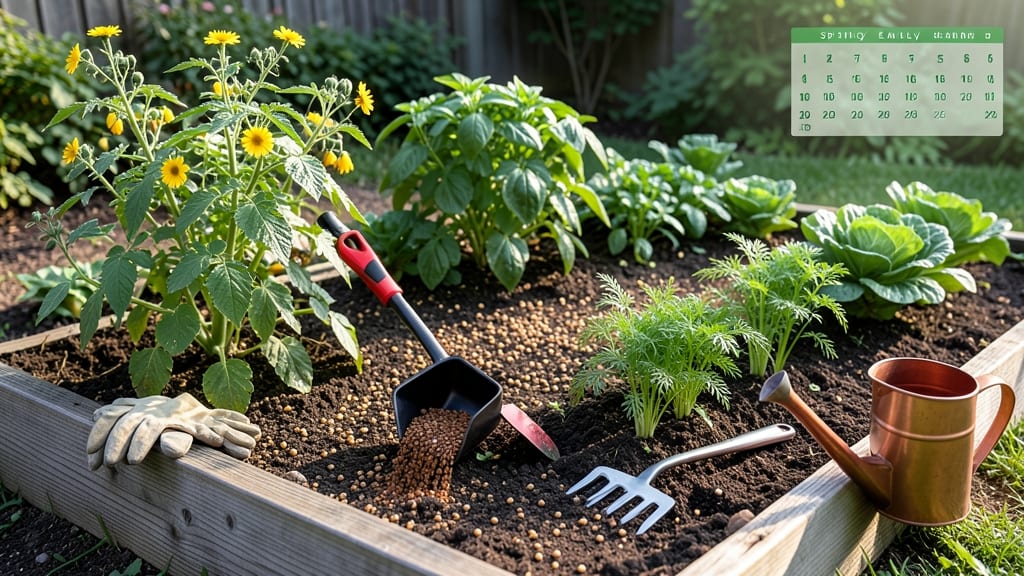
The best time to fertilize your garden is early spring and again mid-season when plants are actively growing 🌱—but timing it wrong can mean wasted nutrients or stunted growth.
Picture this: you’ve just planted your tomatoes, and within weeks, the leaves turn yellow. That’s a classic sign of over- or under-fertilizing. The key is knowing when your soil and plants are ready to soak up nutrients for maximum impact.
Most gardeners focus on spring feeding, but summer and fall also play critical roles. For example, vegetables like tomatoes need a boost every 3-4 weeks during their growing season, while perennials benefit from a lighter touch in early spring and late fall.
In this guide, I’ll break down the exact seasonal schedule by plant type, how to read your garden’s hunger signals, and whether organic or synthetic fertilizers work best at each stage.

Seasonal fertilization schedule by plant type: when to feed for optimal growth
Fertilizing your garden at the right time is like giving your plants a perfectly timed meal—they thrive when fed during their most active growth phases. Vegetables need nutrients when they're establishing roots, while flowers benefit from mid-season boosts to encourage blooming.
Even lawns have different feeding windows depending on whether they're cool-season or warm-season grasses.
Climate zones play a huge role too. In Zone 5, for example, you’ll fertilize earlier than in Zone 9, where warmer winters delay spring planting.
The key is aligning fertilization with your plants' natural cycles—whether that’s early spring pre-planting, summer growth spurts, or fall soil enrichment for next year.
Here’s how to sync your fertilization schedule with plant types and seasons for maximum impact:
| Plant Type | Best Fertilization Time | Frequency | Fertilizer Type | Notes |
|---|---|---|---|---|
| Vegetables (Leafy Greens) | Early Spring (Pre-Planting) & Mid-Summer | Every 3-4 weeks | Balanced (10-10-10) or Compost | Avoid high nitrogen in late summer. |
| Vegetables (Fruiting Plants) | Late Spring to Early Fall | Every 4-6 weeks | High Phosphorus (5-10-10) | Phosphorus boosts fruit development. |
| Annual Flowers | Early Spring & Mid-Season | Every 4-6 weeks | Low Nitrogen (5-10-5) | Encourages blooms, not foliage. |
| Perennial Flowers | Early Spring & Fall | Once per season | Compost or Slow-Release | Builds root strength for winter. |
| Cool-Season Lawns | Early Fall & Spring | Every 6-8 weeks | High Nitrogen (30-0-4) | Avoid summer fertilization. |
| Warm-Season Lawns | Late Spring to Early Summer | Every 4-6 weeks | Balanced (16-4-8) | Peak growth in summer heat. |
For vegetables, early spring fertilization preps the soil before planting.
Use a balanced fertilizer like 10-10-10 to support leafy greens, then switch to high-phosphorus (like 5-10-10) when fruiting plants like tomatoes or peppers start flowering. Mid-season boosts in June or July keep production strong, but avoid fertilizing late in the season—it can lead to tender growth vulnerable to frost.
Flowers follow a similar rhythm but prioritize phosphorus and potassium to encourage blooms.
Annuals like marigolds or petunias need mid-season feeding every 4-6 weeks, while perennials benefit from spring and fall applications to build root reserves. Organic options like compost or bone meal work well for perennials, as they release nutrients slowly over time.
Lawn care diverges based on grass type. Cool-season grasses (like Kentucky bluegrass) thrive with fall fertilization to strengthen roots before winter, while warm-season grasses (like Bermuda grass) need feeding in late spring as they wake from dormancy. Never fertilize lawns in extreme heat—it stresses the grass and burns roots.
Fall is all about soil enrichment, not active plant growth. Add compost or aged manure in late summer or early fall to improve soil structure for next year.
This is also the time to test soil pH—many plants prefer slightly acidic to neutral soil (pH 6.0-7.0), and fall is ideal for amending it with lime or sulfur.
Pro tip: Always water deeply after fertilizing to help nutrients penetrate the soil. Early morning is the best time to apply fertilizer—it gives plants time to absorb nutrients before the heat of the day. Over-fertilizing is a common mistake; follow package rates and adjust based on your soil’s health.
Signs your garden needs fertilizer (and when to avoid it)
Your plants speak volumes through their leaves, stems, and growth patterns. Yellowing leaves on lower stems, slow growth despite proper watering, or weak stems that flop easily are classic signs your garden is hungry. These visual cues often mean your soil lacks essential nutrients like nitrogen, phosphorus, or potassium.
But before reaching for that fertilizer bag, pause and inspect your plants closely. New growth that's pale or yellowish (not just the older leaves) suggests a nitrogen deficiency. Meanwhile, small, dark green leaves with purple stems might indicate phosphorus starvation.
Each plant type has unique signals, so learn what's normal for your tomatoes, roses, or lawn.
⚠️ callout warning
- Dormancy: Never fertilize perennials or bulbs in winter when they're resting.
- Drought: Wait until soil is moist—fertilizing dry soil burns roots.
- Extreme heat: Skip feeding during heatwaves (above 90°F)—plants focus on survival, not growth.
- New transplants: Wait 1-2 weeks after planting to avoid shock.
Over-fertilizing is just as harmful as under-fertilizing. Watch for brown leaf tips, crusty soil around the base, or excessive algae in your irrigation water—these scream fertilizer burn. If you see white powdery residue on soil, flush it with water immediately to prevent root damage.
Seasonal timing matters too. Spring is prime time for vegetables and flowers (feed when you see first sprouts), while fall is for perennials and lawns (apply 6-8 weeks before frost). Summer may need light feeding, but only if plants show active growth—never fertilize stressed plants.
For organic gardens, use compost tea or fish emulsion in early spring, then switch to slow-release granules mid-season. Synthetic fertilizers work faster but require more precision—follow label rates to avoid overdoing it. Always test your soil first with a DIY kit or lab test to know exactly what's missing.
Remember, healthy soil grows healthy plants. If your garden looks vibrant but growth stalls, it might need a soil amendment like compost or worm castings instead of synthetic nutrients. Pay attention, and your plants will reward you with stronger stems, bigger blooms, and better yields.