
How To
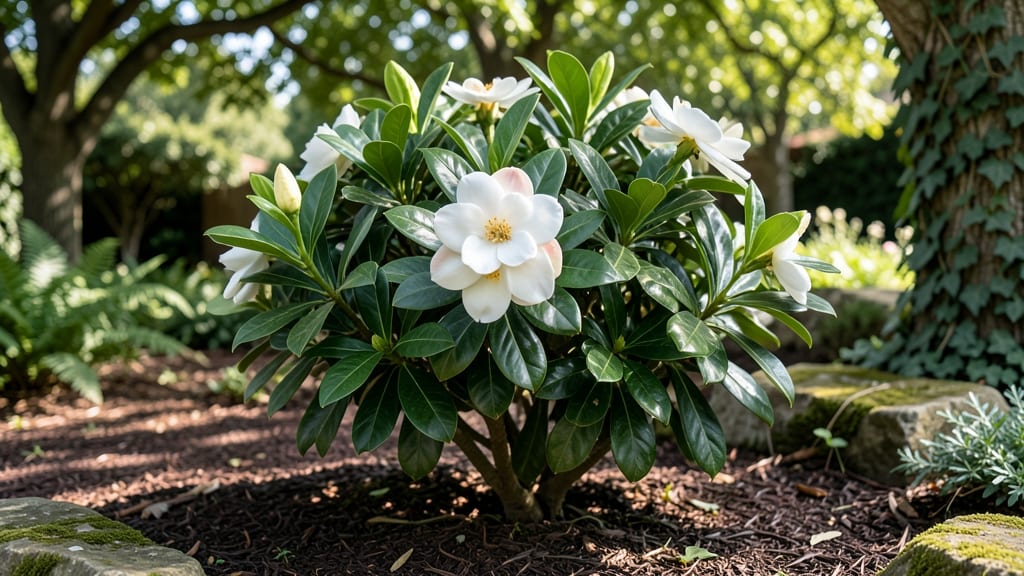
Gardenias grow anywhere from 1 to 6 feet tall, depending on the variety, and choosing the right size can transform your garden from a cluttered mess to a fragrant, structured masterpiece.
If you're dreaming of fragrant, glossy gardenias but wondering whether they’ll fit your garden’s height limits, you’re not alone—many gardeners struggle to match the right variety to their space. Some stay compact enough for containers, while others reach small-tree heights, making them perfect for privacy screens.
For example, the dwarf varieties like Kleim’s Hardy top out at just 3 feet, ideal for patios or window boxes, while standard types like Gardenia jasminoides can soar to 6 feet or more, demanding thoughtful placement in larger landscapes.
In this guide, I’ll break down the height ranges of popular gardenias, share pruning tricks to control growth, and help you pick the perfect variety for your space—whether you want a sweet-smelling hedge or a showstopping focal point.


Gardenia height by variety: from dwarf to tall shrubs
Choosing the right gardenia variety means understanding their mature heights and growth habits. Some varieties stay under 3 feet tall, perfect for containers or small gardens, while others can reach 10 feet or more, making them statement plants in landscapes.
The Gardenia jasminoides, the most common type, typically grows between 4 to 6 feet tall, but with proper pruning, you can shape it to fit your space. Rare varieties like the Gardenia brighamii (Hawaiian gardenia) can even climb to 20 feet in ideal conditions, offering unique vertical interest.
Height isn’t the only factor—growth rates and spread also play a role in placement. For example, Kleim’s Hardy gardenia grows slowly but reaches 3 to 4 feet in 3–4 years, while Radicans varieties can sprawl up to 15 feet wide if unchecked.
Knowing these details helps you plan for ideal spacing and avoid overcrowding. Below, we break down the most popular varieties by height, so you can pick the perfect fit for your garden.
🌿
If you’re working with limited space, dwarf varieties like Fortuniana or Kleim’s Hardy are ideal. These stay under 3 feet tall and thrive in containers or small gardens.
For a bold statement, consider Gardenia augusta or brighamii, which can reach 10 feet or taller and add dramatic vertical interest. Even the Radicans variety, with its cascading habit, can be trained to climb trellises or spill over banks, making it versatile for landscape design.
When planning your garden, remember that height isn’t the only consideration. The spread of a gardenia can also impact placement. For example, the Radicans variety can sprawl up to 15 feet wide, so it’s best suited for slopes or large garden beds.
Meanwhile, upright varieties like jasminoides or augusta work well as hedges or focal points. Always check the ideal spacing for each variety to ensure proper airflow and sunlight penetration.
For container gardening, choose dwarf varieties like Fortuniana or Kleim’s Hardy. These do well in 15–20 gallon pots with well-draining soil and regular watering. Even taller varieties can be grown in containers if you prune them regularly and use support stakes.
Just ensure the pot is large enough to accommodate the plant’s root system and mature size. A good rule of thumb is to use a pot that’s 2–3 inches larger in diameter than the gardenia’s mature spread.
Pruning plays a key role in managing gardenia height. Most varieties benefit from light pruning after flowering to encourage bushier growth. If you notice
How to control gardenia height: pruning and growth tips
Pruning your gardenia isn't just about keeping it neat—it’s the key to shaping its growth and ensuring those fragrant blooms thrive year after year.
Whether you have a compact dwarf or a tall standard variety, understanding when and how to prune will help you maintain the perfect height for your garden. The right technique can also encourage bushier growth or keep leggy stems in check, preventing your gardenia from becoming a tangled mess.
Timing is everything with gardenias. Spring pruning (just after flowering) is ideal for shaping, while light trimming in summer can promote new growth. Avoid winter pruning unless necessary—your gardenia needs time to recover before spring’s growth surge.
Even a small misstep, like cutting too late or too aggressively, can leave your plant vulnerable to pests or stunted growth.
Here’s how to master the art of pruning for different gardenia sizes:
Measure your plant’s current height and note its growth habit. Dwarf varieties (1–3 ft) need minimal pruning, while standard shrubs (4–6 ft) benefit from regular shaping. Use a tape measure or compare it to nearby objects like a mailbox or fence.
Wait until your gardenia finishes blooming before pruning. Remove dead or crossing branches first, then trim back 1/3 of the plant’s height to encourage bushiness. Use clean, sharp pruners to avoid tearing stems.
For bushier gardenias, cut just above a leaf node (the bump where leaves grow) at a 45-degree angle. This encourages new shoots to grow outward. Avoid cutting into old wood—it rarely regrows. Aim for a rounded shape to maximize airflow and sunlight.
If your gardenia looks leggy, do a light trim in summer to redirect energy to lower branches. Pinch back new growth tips to promote fuller growth. Avoid heavy pruning—this can stress the plant and reduce blooms next season.
Skip pruning in winter or early spring unless removing deadwood. Gardenias need energy to push new growth after dormancy. If you must prune, do it lightly in late winter (February) to avoid frost damage.
If your gardenia stretches tall with few leaves, it’s likely overcrowded or undersized. Transplant it to a sunnier spot (but avoid harsh afternoon sun) and prune back 1/2 of the leggy stems to the nearest leaf node. Fertilize lightly with acid-loving plant food to encourage recovery.
One of the biggest mistakes gardeners make is pruning at the wrong time or using dull tools, which can damage stems and invite disease. Always sterilize your pruners with rubbing alcohol before and after use.
Another pitfall? Cutting too close to the trunk—this can harm the plant’s vascular system. Leave a small stub (about 1/4 inch) to allow the wound to heal properly.
For container gardenias, pruning is even more critical since space is limited. Prune more aggressively in early spring to keep the plant compact and encourage frequent blooming. Use a well-draining pot with acidic soil (pH 5.0–6.5) and fertilize every 4–6 weeks during the growing season to support controlled growth.
With the right pruning routine, your gardenia will stay healthy, fragrant, and perfectly sized—whether you want it as a privacy screen, a container centerpiece, or a scented hedge. Start with these steps, and you’ll enjoy lush, manageable growth for years to come. 🌿✂️🌸