
Size
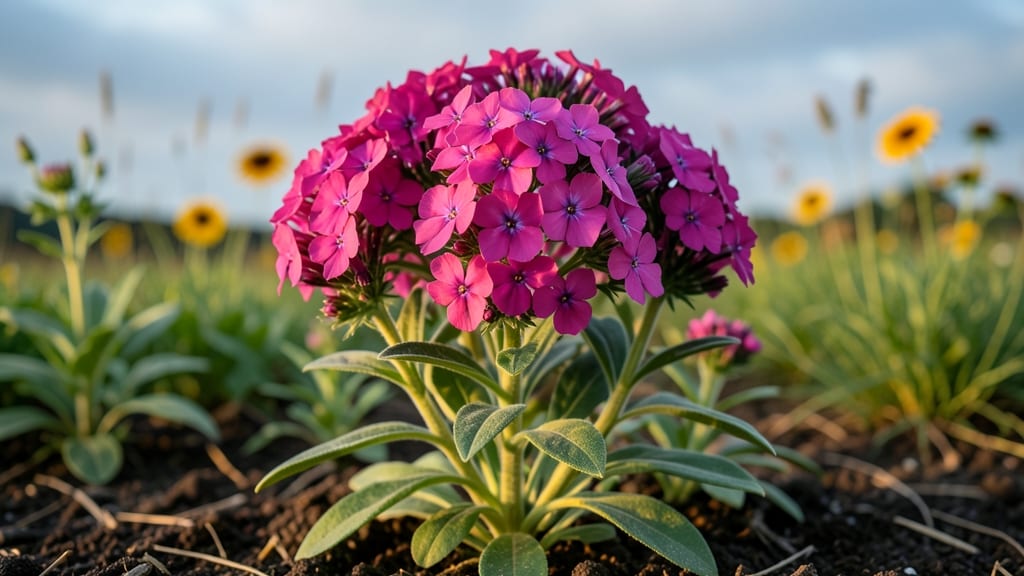
Garden phlox how tall do garden phlox get can reach heights of 3 to 5 feet at maturity, but their size depends entirely on the variety you choose—and that choice makes all the difference in your garden layout.
Picture this: one year you’re admiring a cluster of dainty 1-foot-tall 'David' phlox spilling over a container, and the next, you’re ducking under a 5-foot 'Starfire' monster reaching for the sky. That’s the beauty of phlox—it scales to your space, not against it.
Whether you’re designing a cottage garden border or a tight balcony planter, knowing which varieties stay short and which shoot up helps you avoid the "too tall, too late" panic. Below, I break down the height ranges by type, plus how to keep them in check with simple pruning tricks.
You’ll also discover which companion plants pair best with each size class—because even the tallest phlox needs a neighbor that doesn’t get lost in the shade.


Garden phlox height ranges by variety: dwarf to giant types
If you've ever wondered whether your garden phlox will reach skyward or stay compact, the answer depends entirely on the variety you choose. Phlox paniculata offers a stunning range of heights—from delicate dwarf varieties perfect for borders to tall giants that command attention in the back of the garden.
Knowing these height ranges helps you plan your landscape design with precision, ensuring each plant has the space it needs to thrive.
Selecting the right height isn’t just about aesthetics; it’s about creating a balanced garden layout. A 3-foot phlox in a small container will feel cramped, while a 5-foot variety in a tight border might overwhelm your design.
Let’s explore the height spectrum of garden phlox so you can make the perfect choice for your space.
The 'David' series is a fan favorite among gardeners for its compact stature and vibrant blooms. These dwarf phlox varieties typically reach 18–24 inches tall, making them ideal for small gardens, window boxes, or container gardening.
Their manageable size also means they require less staking or support, saving you time and effort in maintenance.
For a medium-height phlox, consider the 'Lipstick' series, which stands at 24–30 inches. This height range strikes a perfect balance—tall enough to create visual interest but not so imposing that it dominates your garden.
These varieties thrive in mixed borders or pollinator gardens, where their vibrant colors attract bees and butterflies while adding structure to your design.
If you're dreaming of a dramatic garden statement, the tall varieties like 'Starfire' or 'Jeana' are your best bet. These giant phlox varieties can soar to 48–54 inches, making them perfect for the back of borders or as a f
How to control garden phlox height: pruning and cultivation tips
Garden phlox (Phlox paniculata) can grow anywhere from 1 foot to 5 feet tall, depending on variety and care. If your phlox is reaching heights you didn’t plan for—or staying too short to make an impact—don’t worry!
With the right pruning techniques and cultivation habits, you can guide their growth to fit your garden’s vision. Whether you want a neat border or a dramatic backdrop, these tips will help you take control.
One of the biggest factors in phlox height is variety selection. Dwarf varieties like 'Jeana' typically stay under 2 feet, while standard types like 'David' can easily hit 4-5 feet. But even within the same variety, pruning and soil conditions play a huge role.
For example, over-fertilizing with nitrogen can lead to leggy, tall growth with fewer blooms, while balanced nutrients encourage a bushier, more compact plant. Let’s dive into the best ways to manage your phlox’s height naturally.
- 🌱 Step 1: Choose the Right Variety
Select dwarf varieties (1-2 ft) like 'Blue Ridge' for borders or tall types (4-5 ft) like 'Starfire' for backdrops. - 🌿 Step 2: Prune for Height Control
Cut back 1/3 of the plant in early spring to encourage bushier growth. For taller varieties, prune again after blooming to prevent flopping. - ✂️ Step 3: Deadhead Regularly
Remove spent blooms to redirect energy to new growth, keeping plants compact and full rather than leggy. - 💧 Step 4: Adjust Watering and Fertilizing
Water deeply but avoid overwatering, which can stretch stems. Use a balanced fertilizer (10-10-10) to promote blooms over height. - 🌳 Step 5: Mulch for Stability
Apply 2-3 inches of mulch to retain moisture and prevent weak, sprawling growth caused by uneven watering.
If your phlox is already taller than you’d like, don’t panic—pruning mid-season can help. After the first flush of blooms, trim back the tallest stems by half their height to encourage a second, bushier round of flowers.
This works especially well for standard varieties like 'Lipstick' or 'David,' which can become top-heavy without support. Just be sure to prune in the morning to allow wounds to heal before evening moisture sets in.
For a more natural, wildflower look, let your phlox grow taller and pair it with grasses or ornamental plants to soften the height. If you prefer a structured garden, stake taller varieties or weave them into flower arrangements to keep them contained.
Remember, phlox thrives on consistency—whether in watering, fertilizing, or pruning—so stick to a routine, and your plants will reward you with perfectly proportioned blooms.
One common mistake gardeners make is pruning too late in the season. If you wait until fall, you risk cutting back new growth that’s already forming. Instead, time your pruning to late summer, just after the main blooming period, to give your phlox time to recover before winter.
This one-time adjustment can make a world of difference in next year’s growth habits.
With these simple cultivation tips, you’ll be able to shape your garden phlox into whatever form you envision—whether that’s a low, lush border or a towering statement piece.
The key is to observe your plants, adjust as needed, and enjoy the process of watching them thrive in your unique garden space. Happy pruning! 🌸