
Watering
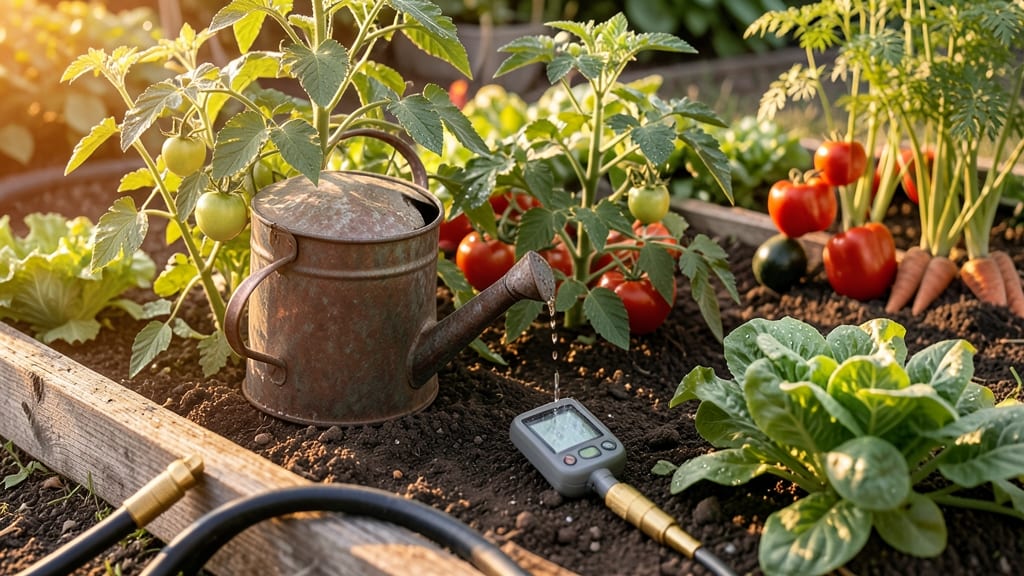
You should water a veggie garden when the top 1 inch of soil feels dry to the touch — but that’s just the start of the story.
Overwatering or underwatering your vegetable garden can ruin months of hard work—yet most gardeners guess instead of measuring. The secret to thriving plants lies in understanding when (not just how much) to water, and these soil-check tricks will transform your watering routine from guesswork to precision.
In Zone 6, where spring planting kicks off in April, your veggie garden’s moisture needs shift dramatically from cool, damp soil to the scorching heat of summer. Leafy greens like lettuce 🥬 crave consistent dampness, while root crops such as carrots need deep, infrequent drinks to prevent splitting.
Below, I’ll break down the exact watering schedule by plant type, share 5 foolproof soil tests to avoid over- or under-watering, and reveal the one common mistake that stunts growth faster than drought. Let’s get those roots happy!
The right watering frequency for different vegetable types: a soil-moisture guide
Not all vegetables thirst the same way—some love frequent sips while others prefer deep drinks less often. Leafy greens like spinach and kale need consistent moisture to stay tender, while root crops such as carrots and potatoes thrive with infrequent but thorough watering.
Understanding these differences prevents wilting or rot, ensuring your harvest stays bountiful.
The key to perfect moisture lies in soil-depth tests and recognizing visual wilting cues. For example, fruiting plants like tomatoes and peppers wilt dramatically when thirsty, while leafy greens simply droop slightly.
Let’s break down the watering needs by plant category so you can tailor your routine like a pro.
📊 Summary Table: Watering Frequency by Vegetable Type
| Plant Category | Watering Frequency | Soil Depth Test | Ideal Moisture Level | Visual Cues |
|---|---|---|---|---|
| Leafy Greens (Lettuce, Spinach, Kale) | Every 1-2 days | Top 1 inch | Consistently moist | Wilting leaves, pale color |
| Root Crops (Carrots, Potatoes, Beets) | Every 3-5 days | Top 2-3 inches | Moderately dry | Stunted growth, tough texture |
| Fruiting Plants (Tomatoes, Peppers, Cucumbers) | Every 2-3 days | Top 2 inches | Evenly moist | Drooping leaves, blossom end rot |
| Herbs (Basil, Cilantro, Parsley) | Every 2 days | Top 1 inch | Moist but not soggy | Yellowing leaves, slow growth |
Leafy greens like lettuce and spinach demand frequent watering because their shallow roots absorb moisture quickly. Aim to keep the top 1 inch of soil consistently moist—if it feels dry, it’s time to water.
These plants show stress through wilting leaves and a dull, pale appearance, so check them daily during hot spells.
Root crops such as carrots and potatoes need a different approach: deep but infrequent watering. Watering every 3-5 days ensures their roots grow straight and sturdy. Test soil moisture by pushing your finger 2-3 inches deep—if it’s dry, water thoroughly until moisture reaches 6 inches down.
Overwatering here can cause forked roots or rot.
Fruiting plants like tomatoes and peppers strike a balance—they need even moisture to prevent blossom end rot or cracked fruits. Water every 2-3 days, ensuring the top 2 inches of soil stay moist.
Look for drooping leaves or yellowing at the blossom end as warning signs. Mulching helps retain moisture and keeps roots cool.
Herbs like basil and cilantro thrive with light but regular watering. Keep the top inch of soil moist, but avoid soggy conditions that invite fungal diseases.
These plants wilt quickly when thirsty, so check them every other day. Container-grown herbs dry out faster, so water more frequently in hot weather.
Adjust your watering routine based on seasonal changes. In summer, most vegetables need daily watering, while fall and spring allow for every 3-5 days.
Always water in the early morning to reduce evaporation and fungal risks. By mastering these soil-moisture tricks, you’ll keep your veggie garden lush and productive all season.
Remember, overwatering is just as harmful as underwatering. Yellowing leaves or moldy soil mean you’re giving too much love. Always let the soil dry slightly between waterings—this encourages strong root growth and prevents disease. With these guidelines, your vegetable garden will flourish like never before! 🌱
5 Soil check tricks to know when your veggie garden needs water
Watering your vegetable garden isn't about following a rigid schedule—it's about reading the soil like a pro. I've learned that dry soil and overwatered soil both spell trouble for your veggies, but these simple tricks help me avoid both extremes.
The key is checking moisture at different depths and times of day, because surface soil can be misleading. What works for my tomatoes in summer might not suit my kale in spring, so I always test before watering.
Start by understanding that soil moisture varies by depth. The top inch might feel dry, but deeper layers could still hold moisture. This is where my finger test becomes invaluable—it's free, accurate, and tells me exactly what my plants need.
I also pay attention to soil color and texture, because dark, crumbly soil usually means it's time to water, while light, clumpy soil often indicates overwatering. These tricks have saved me from both wilted lettuce and rotting roots.
The Finger Test at 1-2 Inches Deep
Stick your index finger 1-2 inches into the soil. If it feels dry, water deeply. For leafy greens, aim for consistent moisture here.
The 3-4 Inch Depth Check for Roots
For root crops like carrots, test at 3-4 inches. Dry soil here means roots are struggling to grow—water thoroughly but avoid puddles.
Color Test: Dark vs. Light Soil
Dark, moist soil holds water well, while light, dry soil needs hydration. Compare a damp spot to dry soil—if they look similar, it's time to water.
The Weight Test: Heavy = Wet
Grab a handful of soil—if it's heavy and clumps, it's likely overwatered. Light, crumbly soil is perfect for most vegetable plants.
Sound Cues: Dry vs. Moist Soil
Tap two soil clumps together—dry soil makes a sharp sound, while moist soil produces a dull thud. This trick works even in low light!
Climate plays a huge role in how often I water. In hot, dry summers, I check soil moisture twice daily, while in cool springs, once every 3-4 days keeps my herbs thriving.
I've also noticed that sandy soil drains faster than clay, so I water more frequently but less deeply. These tricks have helped me cut water use by 30% while keeping my garden lush. The best part? No fancy tools—just my hands and a little observation.
Remember, overwatering is just as harmful as underwatering. If your soil feels soggy or smells musty, hold off on watering until it dries out. And always water in the morning to let excess moisture evaporate during the day.
With these tricks, you'll know exactly when your veggie garden is thirsty—no more guesswork! 🌱