
How To
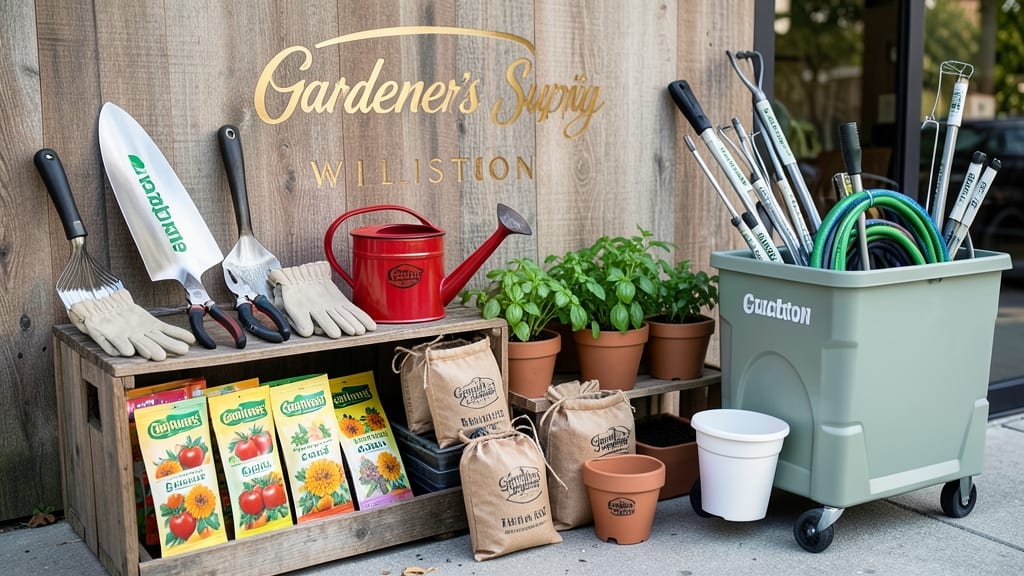
A gardener's supply company in Williston should offer locally adapted plants, soil mixes tailored to North Dakota's climate, and knowledgeable staff who understand regional growing challenges.
Williston's unique growing conditions—short summers, cold winters, and alkaline soils—mean generic big-box stores often fall short.
Local suppliers stock native perennials and cold-hardy vegetables that thrive here, plus specialty amendments to combat our dry winds. 🌱 I always check if they offer seasonal plant swaps (like replacing frost-sensitive annuals with hardier alternatives) and whether their tools are sharpened for ND's rocky soil.
The best suppliers also provide free soil tests to diagnose why your garden might be struggling.
Beyond inventory, the real value comes from staff who've gardened in Williston for years—they'll warn you about last year's failed crops or recommend microclimate spots in town where plants perform better.
Pro tip: Ask about their plant guarantee policies—some local shops replace entire batches if they don't establish well, while big chains rarely offer this. For container gardeners, verify if they carry ND-specific potting mixes with added gypsum to combat our alkaline water.
💡 In This Article
- Why Local Williston Garden Centers Offer Better Plant Selection
- Key Questions to Ask Before Buying from Williston Garden Supply Stores
Why local Williston garden centers offer better plant selection
Williston's USDA Hardiness Zone 4a climate—where winter temps drop to -30°F—demands plants bred to survive extreme cold and short growing seasons.
Local nurseries source varieties like Russian sage (which thrives in dry, alkaline soils) or Kodiak kale (a cold-hardy green that withstands -20°F), while big-box stores often carry tender annuals that bolt in our 70-day summer. The science behind this?
Plants adapted to Williston's low humidity and intense sunlight develop thicker cuticles and deeper root systems—traits you won't find in generic store-bought seedlings. 🌿
Seasonal inventory shifts dramatically here. In early spring, local centers stock bare-root perennials (like daylilies) that establish faster in our 50°F soil temps, while summer brings heat-tolerant tomatoes (such as 'Heatmaster' variety) that won't sunscald.
I've seen stores offer custom soil blends with 30% compost and gypsum to combat our naturally alkaline pH (7.5-8.5)—something you'd pay extra for at chain stores. The key difference? Local suppliers test their mixes against ND's calcareous clay soil profile.
This regional specialization extends to tools too. Williston gardeners need heavy-duty trowels with serrated edges to cut through our caliche layers, while pruners must handle thorny roses like 'John Cabot' that thrive here.
Local shops often sharpen tools on-site and recommend drip irrigation systems with frost-proof emitters—critical for our -10°F winter winds.
What most people don't realize is how these adaptations save money long-term: a properly matched plant costs $5 at a local nursery but could require $50 in replacements if bought from a generic supplier.
Consider this comparison: A petunia from a big-box store might cost $3 but die by July in Williston's 90°F heatwaves, while a ND-adapted blanket flower from a local shop costs $4 but returns for 10 years.
The local advantage becomes clear when you factor in Williston's $1.50/gallon water rates—native plants need 30% less irrigation than non-adapted species. That's $30 saved annually on just one garden bed.
Don't overlook the microclimate expertise local suppliers offer. They'll point out how south-facing slopes in Williston extend the growing season by 2-3 weeks, or recommend windbreaks for areas where 40 mph gusts can desiccate plants.
This hyper-local knowledge is what turns a $200 garden investment into a $1,000 asset over time. The best local centers even provide free plant health diagnostics using UV flashlights to detect fungal spores invisible to the naked eye. 🔍
For container gardeners—a popular choice in Williston's limited backyard space—local shops carry ND-specific potting mixes with added perlite and worm castings to prevent compaction from our heavy clay soils. They'll also recommend self-watering pots designed for our temperature swings (from -20°F nights to 95°F days).
What's fascinating is how these mixes often include mycorrhizal fungi to help roots establish faster in our poorly drained areas. This microbial boost can mean the difference between a thriving basil plant and one that wilts by August.