
Fertilization
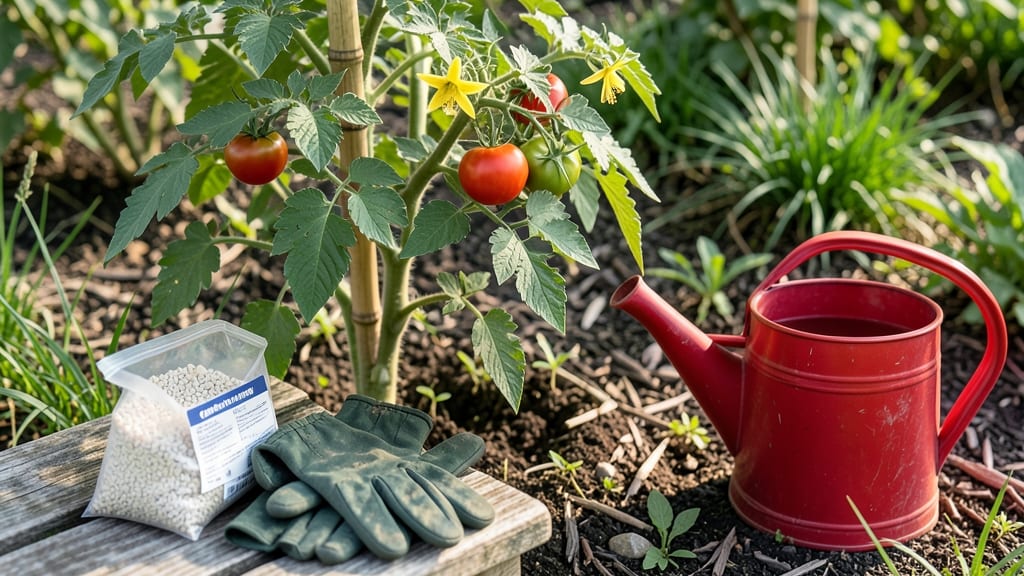
Garden tomatoes need calcium to grow strong, juicy fruit — without it, you’ll end up with blossom end rot, a telltale brown scab that ruins the harvest.
Blossom end rot turning your homegrown tomatoes into a sad, mushy mess? The fix might be simpler than you think—calcium deficiency is often the culprit, and the solution could be just 48 hours away.
Most gardeners don’t realize that calcium isn’t just about soil pH—it’s tied to watering habits, nutrient competition, and even how fast your tomatoes are growing. A quick soil test or a foliar spray can turn things around faster than you’d expect.
In this guide, I’ll show you how to spot calcium deficiency early, the fastest ways to add calcium to your plants, and long-term strategies to keep your tomatoes thriving all season.
Why calcium deficiency causes blossom end rot in tomatoes
If you’ve ever spotted dark, sunken spots on the blossom end of your tomatoes, you’ve met blossom end rot—a frustrating condition caused by calcium deficiency. While calcium is only needed in tiny amounts, it plays a critical structural role in cell walls, especially during rapid fruit growth.
Without enough, your tomatoes literally collapse from the inside out.
Calcium isn’t just about preventing rot—it’s the glue that keeps your tomato plants’ cells functioning. When calcium levels drop, the plant can’t maintain cell membrane integrity, leading to those telltale water-soaked lesions that expand into mushy, inedible patches.
The worst part? This issue often appears even when other nutrients like nitrogen or potassium seem abundant.
So why does this happen? Soil pH is a major culprit—tomatoes thrive in slightly acidic soil (pH 6.0–6.8), but when pH drifts too high or low, calcium becomes unavailable to roots.
Even if calcium exists in the soil, your plants can’t access it. Inconsistent watering worsens the problem by causing fluctuating moisture levels, which disrupts calcium uptake.
Another hidden factor is nutrient competition. When tomatoes receive too much nitrogen, they prioritize leafy growth over fruit development, starving developing tomatoes of the calcium they need. Even excessive potassium can outcompete calcium, leaving your plants vulnerable to blossom end rot despite other nutrients being balanced.
Let’s break down the science: Calcium moves passively through the plant via the transpiration stream—meaning it travels with water. When watering is uneven (like deep soaks followed by drought), calcium can’t keep up with the plant’s rapid growth demands.
This mismatch is why blossom end rot often strikes during hot, dry periods or after sudden growth spurts.
Here’s the kicker: Blossom end rot isn’t just a cosmetic issue—it’s a sign of systemic stress. Once the damage starts, the affected area can’t recover, but new growth (like younger tomatoes) can still thrive if you address the root cause.
The good news? Fixing calcium deficiency is often as simple as adjusting your watering routine or adding a quick calcium boost.
🌱 Visual Comparison: Below, see how healthy tomatoes differ from those with blossom end rot caused by calcium deficiency.
Now that you’ve seen the differences, let’s dive deeper into why soil pH is such a game-changer. Tomatoes prefer a slightly acidic environment (pH 6.0–6.8), where calcium exists in its most bioavailable form.
If your soil tests higher (alkaline), calcium binds to soil particles and becomes locked away. Test your soil—it’s the first step to unlocking the calcium your plants crave.
Even with perfect pH, watering habits can sabotage calcium uptake. Tomatoes need consistent moisture—not drought followed by a deep soak. When roots dry out, they struggle to absorb calcium, and the plant can’t distribute what little it has to developing fruit.
This is why blossom end rot often appears in container-grown tomatoes or during summer heatwaves.
One more critical factor: Competition from other nutrients. If your fertilizer is heavy on nitrogen or potassium, your tomatoes may ignore calcium entirely.
Think of it like a buffet—if you’re stuffed on fries and burgers, you might skip the salad (calcium) even if it’s right there. Balanced fertilization is key to ensuring calcium gets its fair share.
💧 Pro Tip: If you’ve already spotted blossom end rot, don’t panic—new tomatoes can still grow perfectly healthy if you act fast. The next section covers the fastest ways to add calcium in just 48 hours, so your plants can bounce back before the next harvest.
Fastest ways to add calcium to tomato plants in 48 hours
When your tomato plants show signs of blossom end rot, you need fast calcium solutions to save your harvest. The good news? You can boost calcium levels in just two days using simple, effective methods.
Start by focusing on foliar sprays and soil amendments that work quickly to address the deficiency.
Tomatoes need calcium for cell wall strength, and a deficiency causes those classic dark, sunken spots on the fruit. The fastest fixes combine immediate uptake methods (like sprays) with longer-term soil improvements (like crushed shells). Let’s dive into the top 48-hour solutions ranked by speed and ease.
For the fastest results, start with a calcium foliar spray. Mix 1 tbsp of calcium chloride or calcium nitrate in 1 gallon of water and spray directly on leaves in the morning.
This method delivers calcium within hours because it’s absorbed through the foliage. Repeat every 3-4 days until new blossoms form.
Next, add crushed eggshells to the soil around your tomato plants. Bake and grind eggshells into a fine powder, then sprinkle 1 tbsp per plant. Work it into the top 2 inches of soil—this releases calcium over 24-48 hours as it breaks down.
For even faster results, mix eggshell powder with compost tea to create a nutrient-rich slurry.
If you need a longer-lasting fix, use crushed oyster shells. These dissolve slowly but provide a steady supply of calcium. Scatter ½ cup per plant around the base and lightly water in.
While not as fast as eggshells, oyster shells improve soil calcium for weeks and prevent future deficiencies.
For gardeners who prefer store-bought solutions, calcium nitrate fertilizer is a quick fix. Apply 1 tbsp per gallon of water as a soil drench or foliar spray. It’s highly soluble, so plants absorb it rapidly. Use it every 7-10 days during fruiting to maintain calcium levels.
Finally, if your soil is highly acidic, a fast-acting lime can help. Use pelletized lime (not garden lime) and apply ½ cup per plant. Water it in well—lime takes 2-3 days to adjust soil pH, making calcium more available.
Monitor your soil’s pH to avoid overcorrecting, which can harm your tomatoes.