
Planting
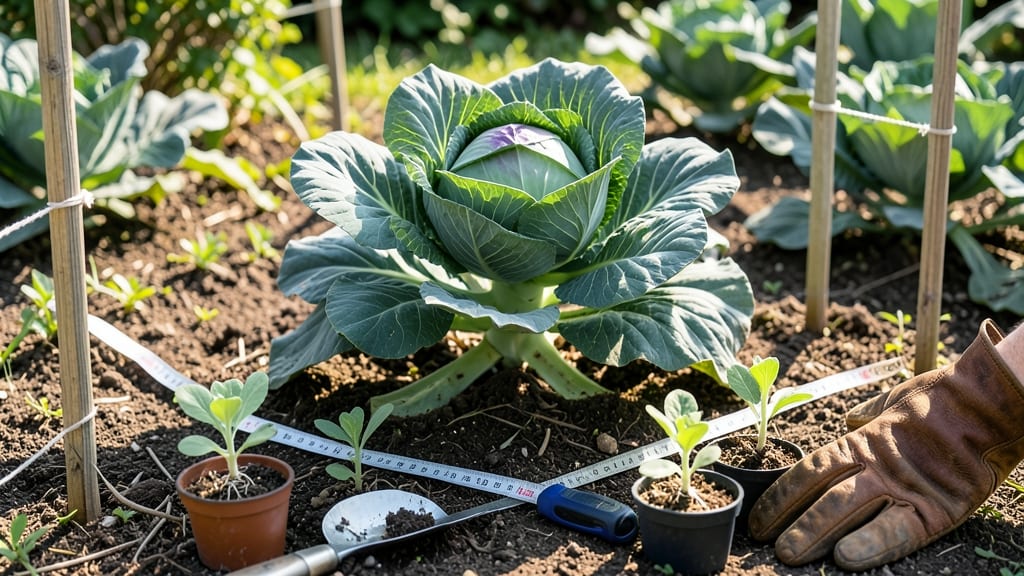
Spacing your cabbage garden correctly determines whether your 🥬 plants grow into plump, disease-free heads or bolt into bitter disappointment.
Struggling to maximize your cabbage harvest? Proper spacing isn’t just about aesthetics—it’s the difference between a thriving garden and one where plants compete for every drop of water and nutrient. Too close, and you’ll invite pests and diseases; too far, and you’ll waste precious garden real estate.
In this guide, I break down the exact spacing rules for head cabbage, bok choy, and Brussels sprouts, plus how to adjust for your climate and soil type. Whether you’re working with 18-inch rows or tight urban beds, you’ll learn the tricks to fit more plants without sacrificing yield.
Ready to transform your cabbage patch from chaotic to high-yielding? Let’s dive into the proven spacing chart that’s saved gardeners from wasted effort—and empty dinner plates.
Optimal cabbage garden spacing by variety type (proven chart)
Cabbage isn't a one-size-fits-all crop when it comes to spacing. The variety type determines whether your plants will thrive or struggle for resources. Head cabbage varieties like Golden Acre need significantly more room than bok choy or Brussels sprouts.
Even a few inches difference can mean the difference between a bumper crop and stunted growth. I've planted everything from dwarf varieties to giant savoy cabbages, and the spacing rules I've learned make all the difference in yield and disease prevention.
Proper spacing affects more than just plant size—it influences air circulation, which reduces fungal diseases like clubroot, and light exposure for even growth. In my USDA Zone 6a garden, I've seen cabbage heads double in size simply by adjusting spacing from 12" to 24" between plants.
The key is matching the mature plant size with its specific spacing needs while considering your garden layout and companion plants.
| Cabbage Type | Recommended Plant Spacing (inches) | Row Spacing (feet) | Planting Density (per 100 sq ft) | Key Notes |
|---|---|---|---|---|
| Head Cabbage (e.g., Golden Acre, Red Express) | 18-24 | 2-3 | 20-25 plants | Taller varieties need more space; avoid planting near tall plants that create shade |
| Bok Choy (Baby Bok Choy, Toy Choy) | 6-12 | 1 | 80-100 plants | Harvest quickly (30-50 days) to prevent bolting; ideal for succession planting |
| Brussels Sprouts (e.g., Long Island Improved) | 18-24 | 3 | 10-12 plants | Requires deep soil (18+ inches) and winter protection; harvest from bottom up |
| Savoy Cabbage (e.g., Savoy King) | 24-30 | 3 | 10-12 plants | Curly leaves need extra space; prone to bolting in heat |
| Napa Cabbage (e.g., Early Jersey Wakefield) | 12-18 | 1.5-2 | 30-40 plants | Longer growing season (70-80 days); harvest outer leaves first |
| Dwarf Cabbage (e.g., Miniature Drumhead) | 8-12 | 1 | 60
How to adjust cabbage spacing for different climates and soil typesYour cabbage plants face different challenges depending on where you live and what your soil looks like. In hot, dry climates, for example, plants need more room to stretch out roots and access water. Meanwhile, cold regions benefit from tighter spacing to create warmth through plant density. Even your soil type—whether heavy clay or sandy loam—demands adjustments to spacing, irrigation, and mulching. Let’s break down how to adapt your cabbage garden spacing for these conditions. One of the biggest mistakes gardeners make is treating all cabbage the same, regardless of environment. For instance, Brussels sprouts in cold zones might need 18-inch spacing to thrive, while the same variety in a hot desert climate could require 24 inches to avoid stress. The key is understanding how your local climate and soil interact with your chosen cabbage varieties. Let’s dive into the specifics with actionable adjustments. 🌱 Adjusting Cabbage Spacing by Climate & Soil
In hot, arid climates, I’ve found that increasing spacing isn’t just about water—it’s also about airflow. Tightly packed cabbage in the desert can trap heat, inviting pests like cabbage loopers and fungal diseases. Pair your wider spacing with reflective mulch or shade cloth to further protect plants. For example, in Arizona, I space Golden Acre cabbage at 30 inches apart and use drip lines on both sides of the row to ensure even moisture distribution. For cold climates, like those in Zone 4 or 5, the goal is to maximize heat retention. I’ve had success with Brussels sprouts planted in raised beds with black plastic mulch to warm the soil. The tighter spacing (16-20 inches) helps create a mini greenhouse effect, which is critical for extending the growing season. Just be sure to harvest before hard frosts—even with closer spacing, cold snaps can still damage tender leaves. When dealing with heavy clay soil, drainage becomes the top priority. I’ve seen cabbage plants in Mississippi’s clay-heavy gardens suffer from root rot when planted too closely. The fix? Wider row spacing (3-4 feet) combined with gypsum amendments to break up compacted soil. Always test your soil’s drainage rate—if water pools after 6 hours, you’re at risk. Pair this with raised beds if your native soil is particularly dense. In sandy loam, like what you’d find in New England or the Pacific Northwest, the challenge is nutrient retention. Sandy soil drains too quickly, so I space plants slightly closer (18 inches) but top-dress with compost every 4-6 weeks. A thick layer of straw mulch helps retain moisture, and row covers protect young seedlings from drying winds. This approach has helped me grow bok choy successfully in otherwise challenging conditions. Remember, these adjustments aren’t set in stone—always monitor your plants for signs of stress. Yellowing leaves? That might mean overwatering in clay soil or underwatering in sandy loam. Stunted growth? Check your spacing and airflow. With the right tweaks, your cabbage garden can thrive no matter where you live or what your soil looks like. Happy growing! 🥬 |